 Treeing Walker
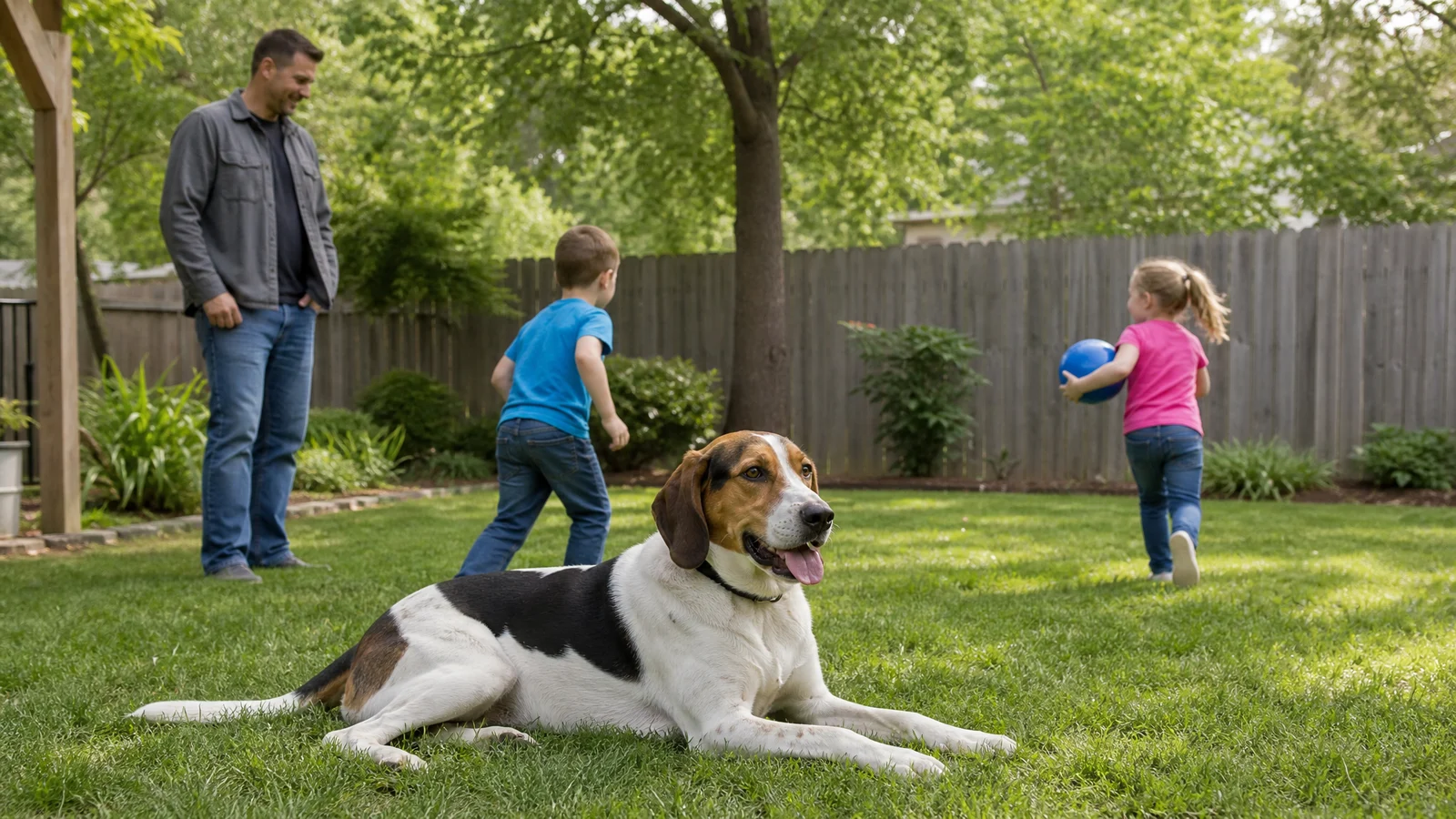
The AKC rates the Treeing Walker Coonhound 5 of 5 for good with young children, good with other dogs and affection with family, and calls them openhearted with kids and family pets. Friendly does not mean calm, though, since energy is also rated 5 of 5 and playfulness 4.
Friendly is a head start, not calm, and a hound left to figure out manners alone tends to flatten the very people they adore. The encouraging part is strong food motivation, which lets calm be taught quickly when the treat pays for the calm itself.
Below, you'll find how to pair early socializing with settling skills, including a mat settle and greeting routine, rules for supervising young children, and ways to introduce dogs and interrupt play that is getting out of hand.
Socializing Begins With a Tired, Friendly Hound
Most Treeing Walker Coonhounds need very little persuading to like people and other dogs, so the real work of socializing is not building friendliness but teaching what to do with it. The breed standard calls them courteous, and plenty are, once the first wave of excitement has passed, but that wave is where the trouble lives, because a hound who loves every visitor will leap, bay and spin until someone gives in.
Pair each new person, place and animal with a chance to settle, and the exposure turns into manners rather than practice at chaos. A tired hound makes that easier, but the settle itself still has to be taught and paid for, which is where this breed's appetite becomes your best tool.
Puppy Months Favor Short, Calm Meetings
Many people tell new owners that a puppy should meet as many dogs and strangers as possible, as fast as possible, yet for a hound this outgoing a crowd mostly rehearses the frenzy. A few quiet meetings do more, such as a visitor who sits on the sofa and ignores the puppy until the puppy settles, followed by a treat for the calm.
Keep the treats out of sight in a pocket or pouch until the right behavior has happened, so your puppy learns to watch you instead of the food. That way the food motivation that makes these hounds quick learners is working for the calm rather than against it. Here is a greeting and settle routine that suits most households, for a puppy or an adult:
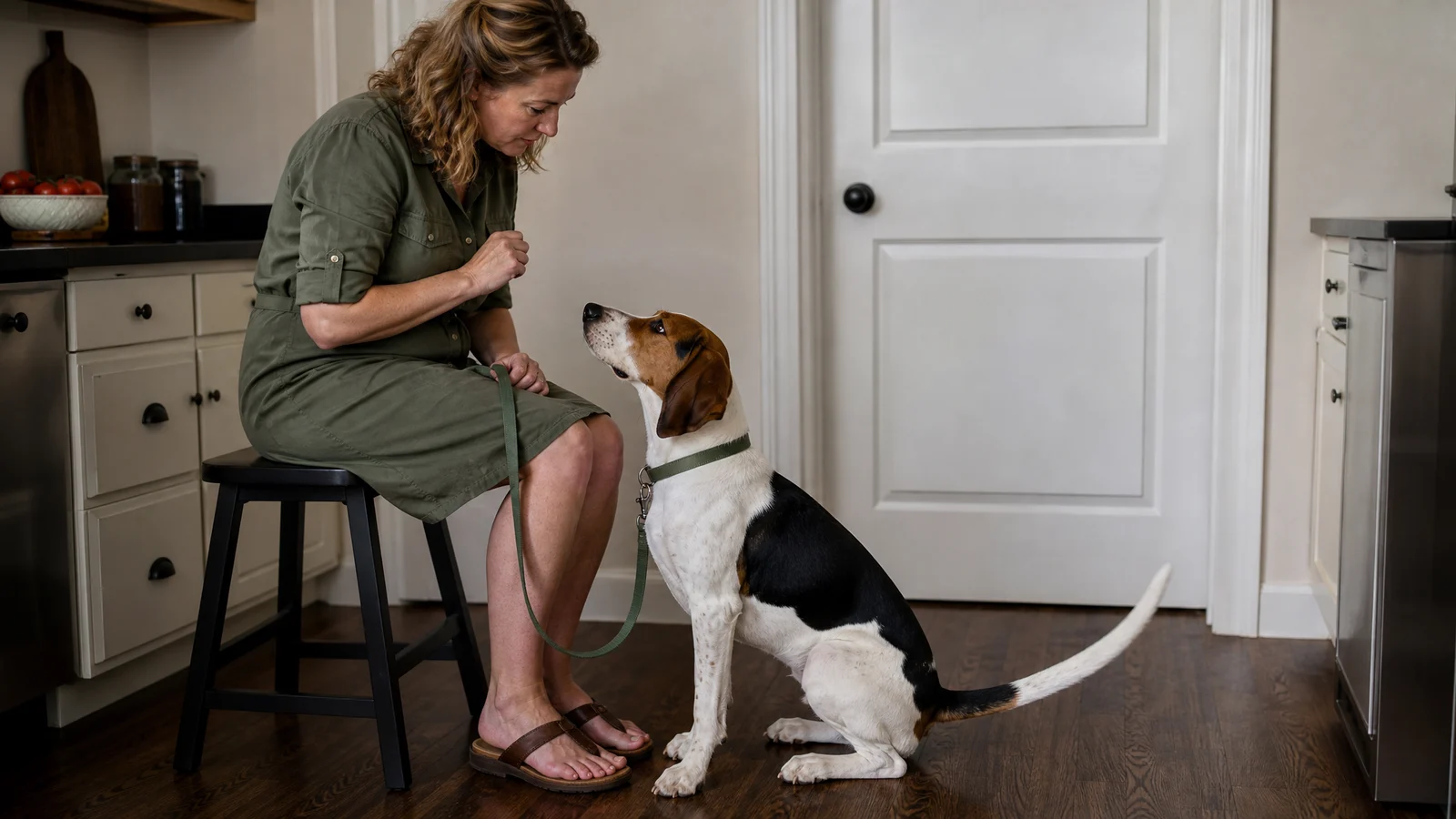
- Lay a mat a few steps inside the door and keep the treats in your pocket, out of sight.
- When your hound steps onto the mat on their own, say your marker word and then produce a treat, placing it on the mat.
- Wait for a sit or a down on the mat before you mark, so the payment is for the calm itself.
- Have a helper walk in quietly, and reward your hound for holding position while the visitor moves a step closer at a time.
- Let the visitor greet your hound once every paw is back on the floor. If the paws lift, the visitor stands up straight and pauses, then you try again.
- Repeat in other rooms and at a friend's house, so the mat means settle everywhere.
Resist the urge to reward eye contact for its own sake. Many owners find that a food-driven hound fixates on the treat when eye contact is what earns it, then drifts into a world of their own once the food is gone. Pay for the settle and the attention tends to follow.
Adult Rescues Need a Slower Start
An adult hound arriving from a shelter or rescue brings habits you cannot see yet. The breed is rated 3 of 5 for openness to strangers, a middle score that means ambivalent, so do not assume a newcomer loves everyone they meet. They are also rated 4 of 5 for adaptability, and most settle in well when the first weeks are quiet: the same mat routine, a few chosen visitors and daily walks on a leash while you learn what excites them.
Food is a handy way into a dog whose history is unknown, because a hound who has never been paid for calm learns quickly once the payment is reliable. Treat the early weeks as an audition for both of you, and widen the circle only as the settle holds.
Exercise Comes Before Socializing for a Treeing Walker Coonhound
Manners do not register in a hound who is still vibrating from a morning indoors, and few breeds show it as plainly as this one. Walkers are runners who cover a lot of ground in a hurry, and even the ones who happily become couch potatoes at home still appreciate long daily walks at a minimum. So the order of events matters: outing first, introductions second.
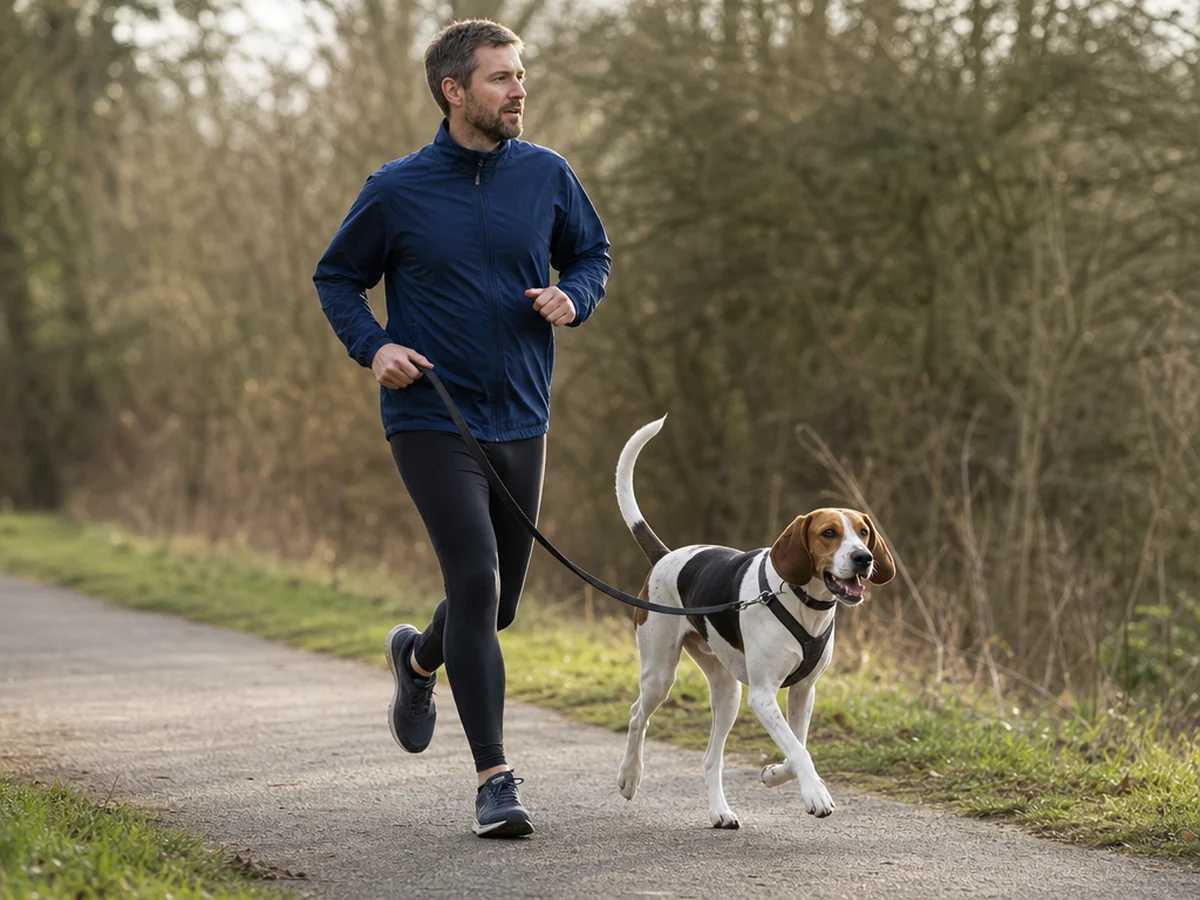
Give your hound a burst of running inside secure fencing, then a slow stretch of sniffing on a leash, and allow some baying if they need it, since that is how a hound lets the pressure out before company arrives. With a prey drive this strong, off-leash reliability should never be assumed, so the running belongs behind a fence. If the yard becomes a chase zone, our piece on squirrel and tree fixation will help.
The old saying is that a tired dog is a good dog, and we only half agree. Mental stimulation needs are rated 5 of 5, and a hound who is physically spent but bored still greets the next visitor with leaping and mouthing, because the nose is where this breed does its thinking. A short round of scent games and agility jobs before guests arrive often does more for a calm doorway than another lap of the block.
If the bawling is what worries guests or neighbors, a quiet cue taught alongside these routines pays in treats like everything else.
Kids Need Rules Around a Treeing Walker Coonhound
A hound rated 5 of 5 for good with young children can still be a hazard to one, because the rating describes temperament and says nothing about size, speed and enthusiasm. Among every age group, young children are the ones more likely to be bitten, and far more often the dog involved is their own family's than an unfamiliar one, so a friendly breed is never a reason to leave a child and a dog alone together.
Rules protect both of them, and they work best when they are applied the same way on calm days and chaotic ones.
Toddlers and Young Children
For toddlers and preschoolers the adult carries nearly all of the job, and a short, fixed list is the easiest to keep:
- A grown-up stays close enough to reach both child and hound whenever they share a room, and if that is not possible for even a moment, a gate or closed door keeps them apart.
- The hound has a retreat, a mat or crate, that children never enter, and any adult can send the hound there for a break.
- Meals, chews and prized toys are handed out where a child cannot reach, so food never becomes a point of conflict.
- Greetings follow the visitor rule, paws on the floor first and then attention and a treat, with the adult guiding each step.
- Play ends while it is still fun, with a calm pause, before the excitement climbs past what the hound can manage.
Toddlers learn their half through a simple game: stand still when the hound gets bouncy, keep hands low, and drop a treat on the floor to reward four paws staying down. Hugging and chasing are off the menu, because a hound who loves the attention will answer with more of it.
If a baby is on the way, begin four months ahead and introduce baby sights, sounds and smells gradually, pairing each with a reward, so the real baby meets curiosity rather than frenzy.
Older Children Can Do Real Training
School-age children can take a genuine share in training, and a hound who is eager to please will respond well to a child giving clear, calm instructions. Let them run the mat game with your coaching, hide treats around a room for a nose game, or reward a sit before the leash goes on.
The rules still apply. There are no chasing games that end with the hound grabbing clothing, and visiting friends get the same briefing before they come through the door. Older children also need to hear that a hound who walks away is asking for a rest, and that leaving them alone then is part of being a good friend.
How Should Treeing Walker Coonhounds Socialize With Dogs?
The 5 of 5 rating for good with other dogs gives you a real head start, and many Walkers are plainly happiest in canine company, so the question is less whether they will like another dog than how to keep the first meeting from becoming a stampede. A hound who rushes in bawling and bouncing can overwhelm a quieter dog in seconds. Good introductions are slow, short and rewarded, and they differ a little depending on who is meeting whom.
Strange Dogs on Neutral Ground
Start with a parallel walk: two handlers and two dogs walking in the same direction with a wide gap, which closes by a few steps only while both dogs look relaxed. Keep both leashes loose, because a tight leash tends to raise tension, and reward calm glances with a treat produced only after the glance. Let the first greeting last a few seconds of sniffing, then call both away cheerfully and walk on. Several short meetings beat one long one.
Choose playmates with care. A hound who plays by chasing and wrestling does best with another sturdy dog who enjoys the same game and takes breaks, not a timid dog who spends the meeting trying to escape. Dogs your hound already knows and likes from calm walks are the best candidates for play inside secure fencing.
A Resident Dog at Home
When a second dog joins the household, bring the newcomer home only after walks and play go well elsewhere, then leash both at first, because the house is the resident dog's space. Since food drives so much of this breed's behavior, food is also where friction starts. Feed the dogs apart, pick up chews when they finish, and keep high-value toys out of circulation until you see how sharing goes.
Reward both dogs for lying calmly near one another, with treats produced only after the calm happens. Doorways and hallways are where two keyed-up hounds crowd, so ask each dog to wait and pass one at a time, paying the patient one first. It is a small habit that teaches both that politeness is how good things arrive.
What Happens When Socializing Play Gets Too Rough?
Playfulness is rated 4 of 5, and two hounds at full tilt make a great deal of noise, so rough play is not automatically a problem. It does need watching, because the line between fun and frenzy is the excitement level more than any single move. The common advice is to leave dogs to sort it out between them, but with a breed that gets wound up in groups and bawls together, we would rather you step in early, since two wound-up hounds rarely settle on their own.
Signs the Play Is Tipping
Watch for these signs, especially when a third dog or a new toy joins the game:
- One dog keeps trying to leave or hide while the other keeps following.
- Noise and speed climb with no pauses or role swaps in between.
- Chasing becomes one-way, with the same dog always the chaser.
- Mounting appears, which is usually a sign of overexcitement.
- Bodies turn stiff, or one dog is repeatedly pinned.
- Voices rise together and the whole group rushes about as one.
Interrupting and Resetting Without Scolding
Call each dog away in a light, cheerful voice, pay them with a treat for coming, and give a short time-out with each in a separate space or on their mat. Drama only adds fuel, so keep your own energy low. Resume play only when both dogs look loose and soft, and begin with a shorter round.
If the same trigger keeps appearing, such as a certain toy or a narrow hallway, remove it. Over weeks, many hounds begin offering their own pauses in the middle of a game, and that is the sign the lesson is landing.
Socializing This Breed Keeps Paying Off for Years
Calm manners build gradually with steady rewards rather than arriving on any single day. Greetings shorten, the mat settle lasts longer and the hound recovers from excitement faster, until the dog who once ricocheted around guests offers a sit on their own. Adolescence can look like a step backward, since the nose and the energy both grow, but consistent rewards carry through it.
Plenty will not change. This is still a high-energy hound with a very high prey drive, a voice built to carry, and a stubborn, independent streak that frustrates people who do not understand how a coonhound thinks. They stay affectionate, though, and the breed is described as a gentle, loving friend once the work is done. Practice settles and greetings in short refreshers whenever life changes, such as a new baby, a move or another pet.
Regular vet visits belong in that routine too, since discomfort can show up as irritability or restlessness. Through the many years we have spent with this breed, the family dogs who turn out best have been the ones who got steady exercise, steady rules and a steady supply of rewards. Do that work and the openhearted hound stays openhearted, only with better brakes.
 Training basicsHow to Keep a Treeing Walker Coonhound Focused
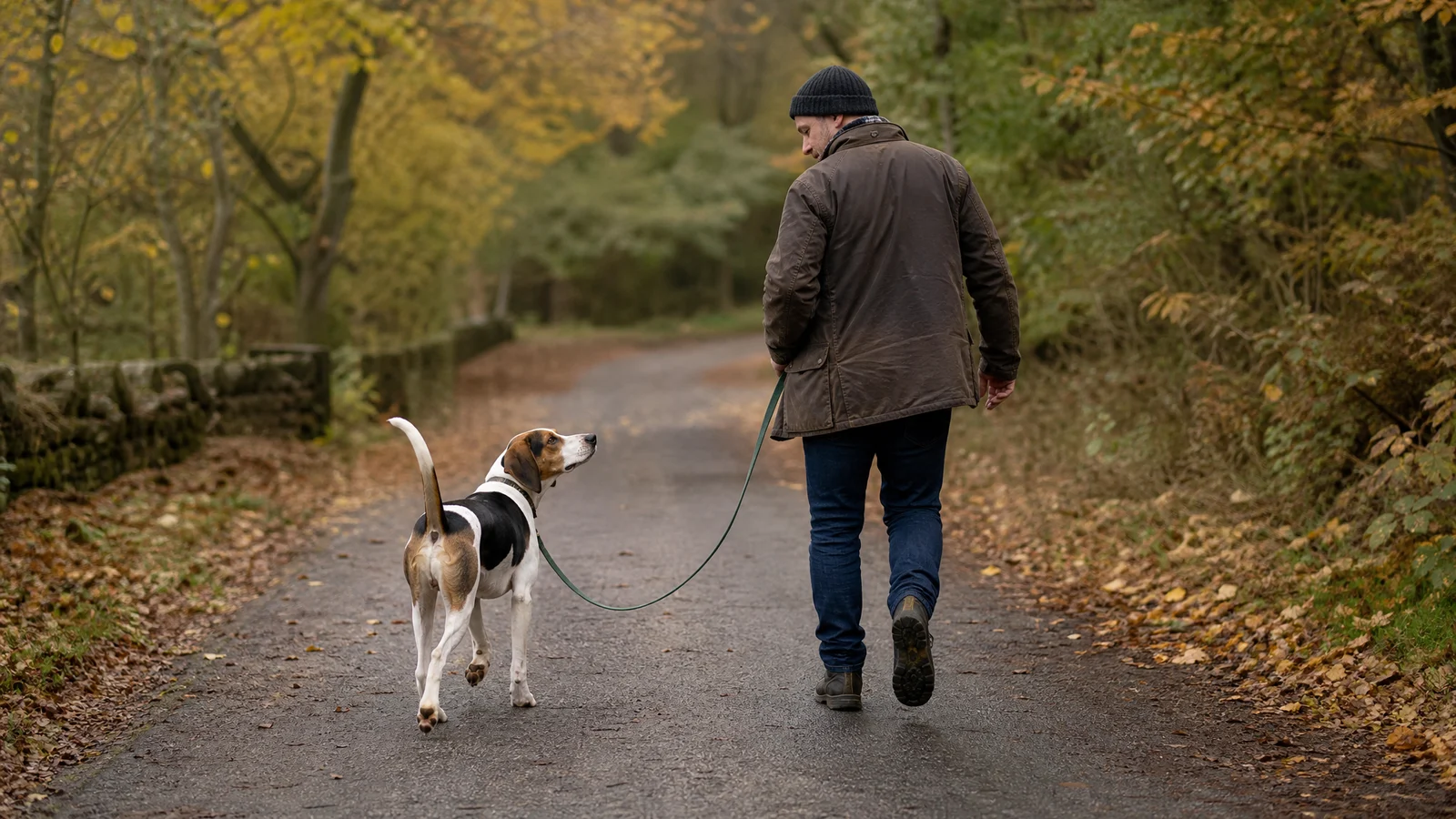 Training basicsLoose-Leash Walking for a Treeing Walker Coonhound
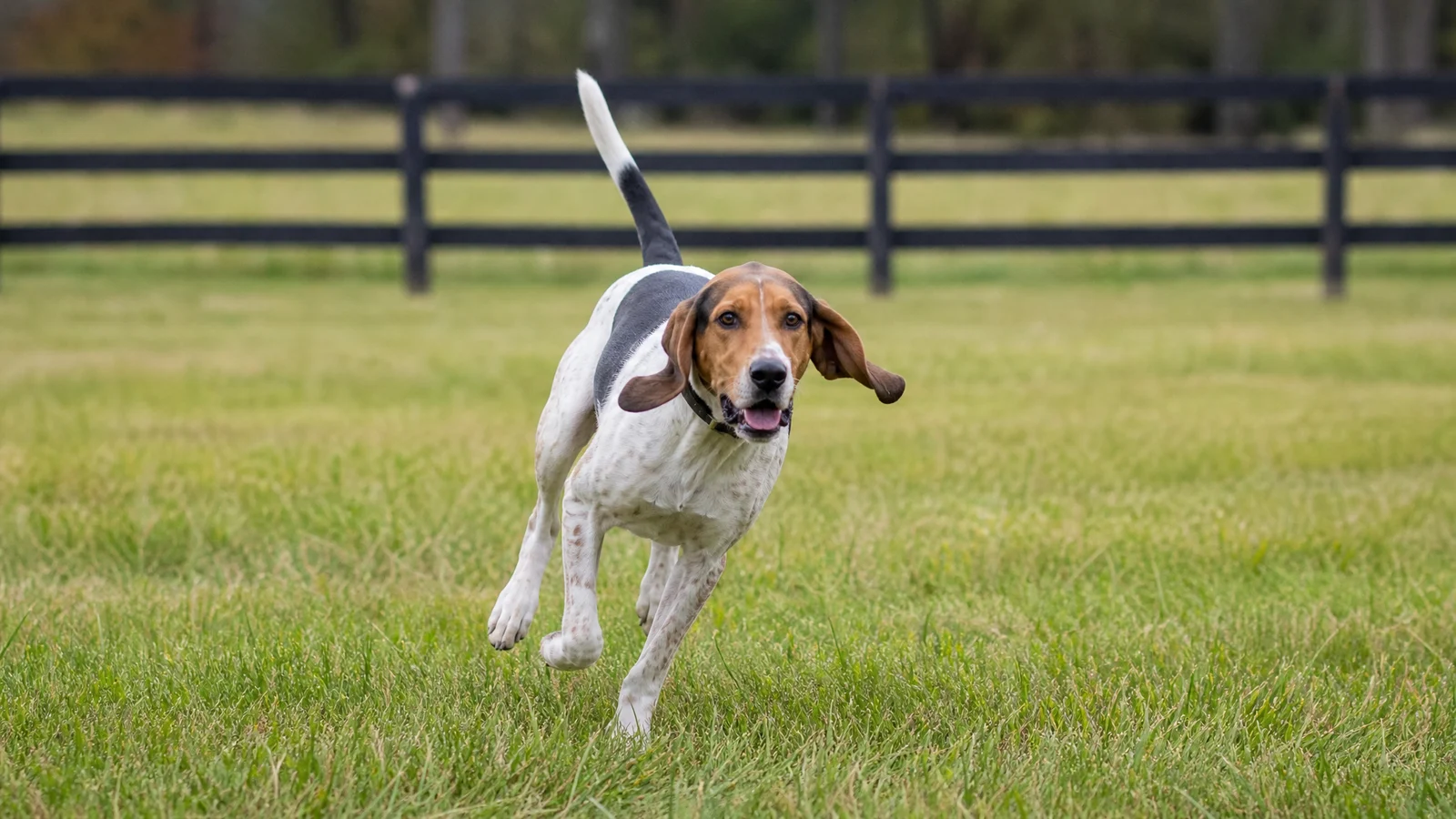 Training basicsTreeing Walker Coonhound Recall Games for Scent