 Treeing Walker
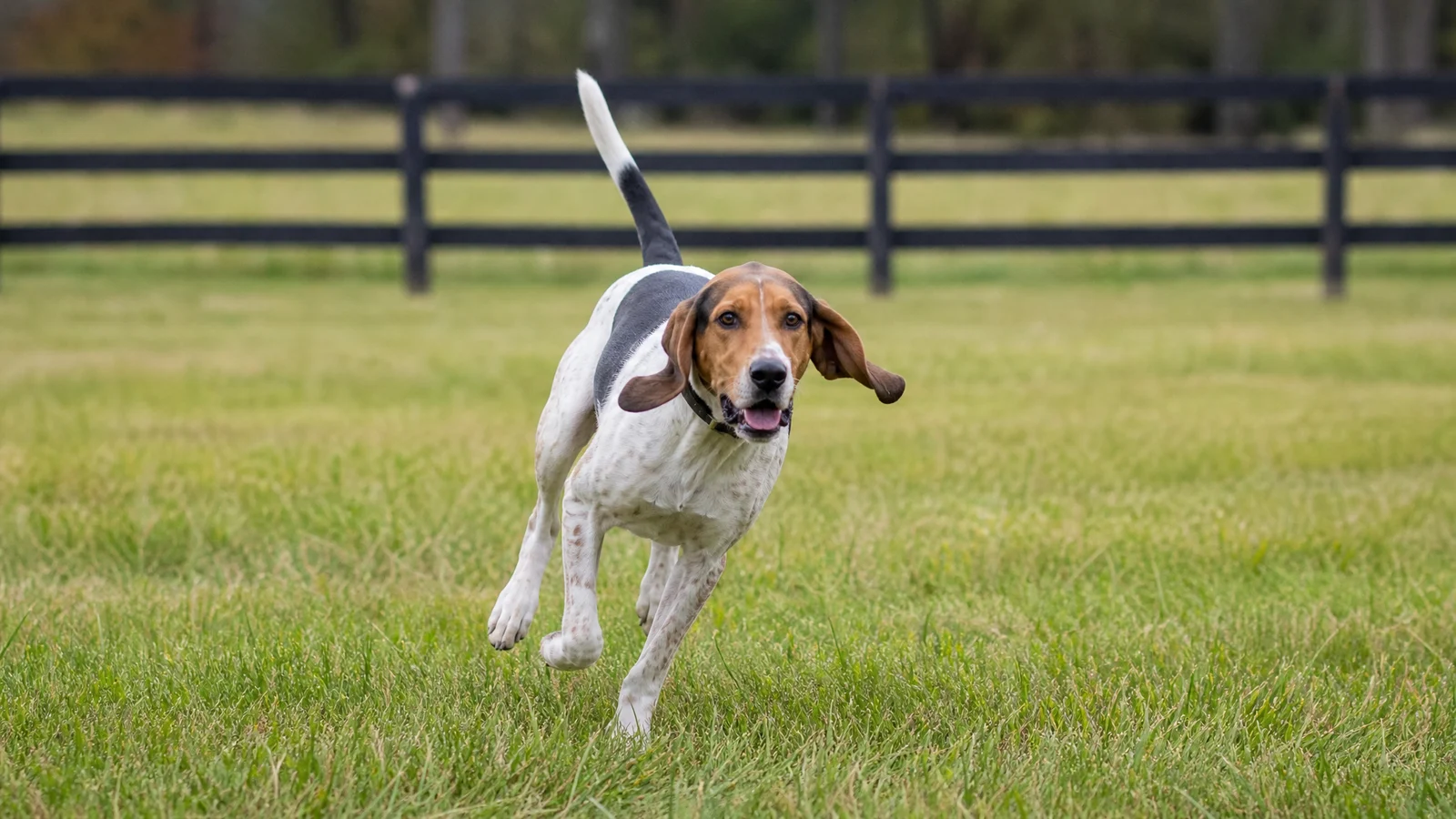
Recall around scent is not a contest between loyalty and a hound's nose. It is a chain of noticing, disengaging, turning, traveling back, arriving close, collecting a reward, and sometimes returning to exploration. Any weak link can make the whole response look absent. The board lets you strengthen each decision without wagering safety.
In this article, the game board builds those links inside a secure enclosure or on a long line. We will set the equipment, play interruption and return games, raise only one difficulty at a time, and repair the exact space where the chain breaks. The board never promises off-leash reliability. It gives your Treeing Walker Coonhound safe, rewarding practice in daily life while management remains in place.
Set the Treeing Walker Coonhound Recall Board
Choose a quiet, secure area with enough room for gentle movement. Use a comfortable harness, a long line suited to the space, and rewards the dog has already shown they value. Keep the line organized so it can follow the dog without wrapping around legs or hands. The first setup should make line handling uneventful.
The recall cue is a protected game piece. Say it once only when you can help the dog succeed. Avoid using it to end every pleasant activity, and do not call when the dog is already fully absorbed in a scent you have not trained around. Protection keeps the word meaningful across future rounds.
Game Space One Loads the Cue
Stand close in the easy area, say the cue once, then move backward invitingly. Mark the first turn toward you and reward at your body. Release the dog after payment so coming does not always close the board. A cheerful finish keeps the cue from feeling like confinement.
Repeat from different positions while distance stays short. The cue should predict movement toward you and a worthwhile outcome, not a long hold. Keep arrivals warm and easy even if the turn was slower than expected.
Before adding a second game space, practice moving with the line in the quiet area. Feed slack through your hands without loops around fingers, change direction slowly, and stop if the line nears legs. Comfortable handling protects the training picture from sudden tension.
Game Space Two Builds a Close Finish
Reward near your knees and briefly touch the harness before releasing. This makes arrival useful instead of teaching the dog to grab food at arm's length and leave. Handle gently, feed again, and let the dog move away on the release word. Close delivery also makes the next release easy to understand.
- Say the cue once in an achievable moment.
- Mark the turn before the dog reaches you.
- Pay close enough for a safe harness touch.
- Release clearly when the game continues.
Regular veterinary visits support reliable observations. Ask your veterinarian about a sudden change in hearing response, movement, appetite, or learned behavior, especially when a previously familiar recall changes across easy settings.
End the setup round with an easy cue and a clear release. Put the equipment away only after the dog has finished the exchange. A consistent opening and closing routine helps distinguish recall play from ordinary time on the line.
Check the line before each new round. Remove twists, keep unused length on the ground behind you, and choose a direction that avoids furniture, shrubs, and feet. A clean line path lets the dog's voluntary turn remain the important event instead of an accidental stop.
Play the Scent-Interruption Recall Games
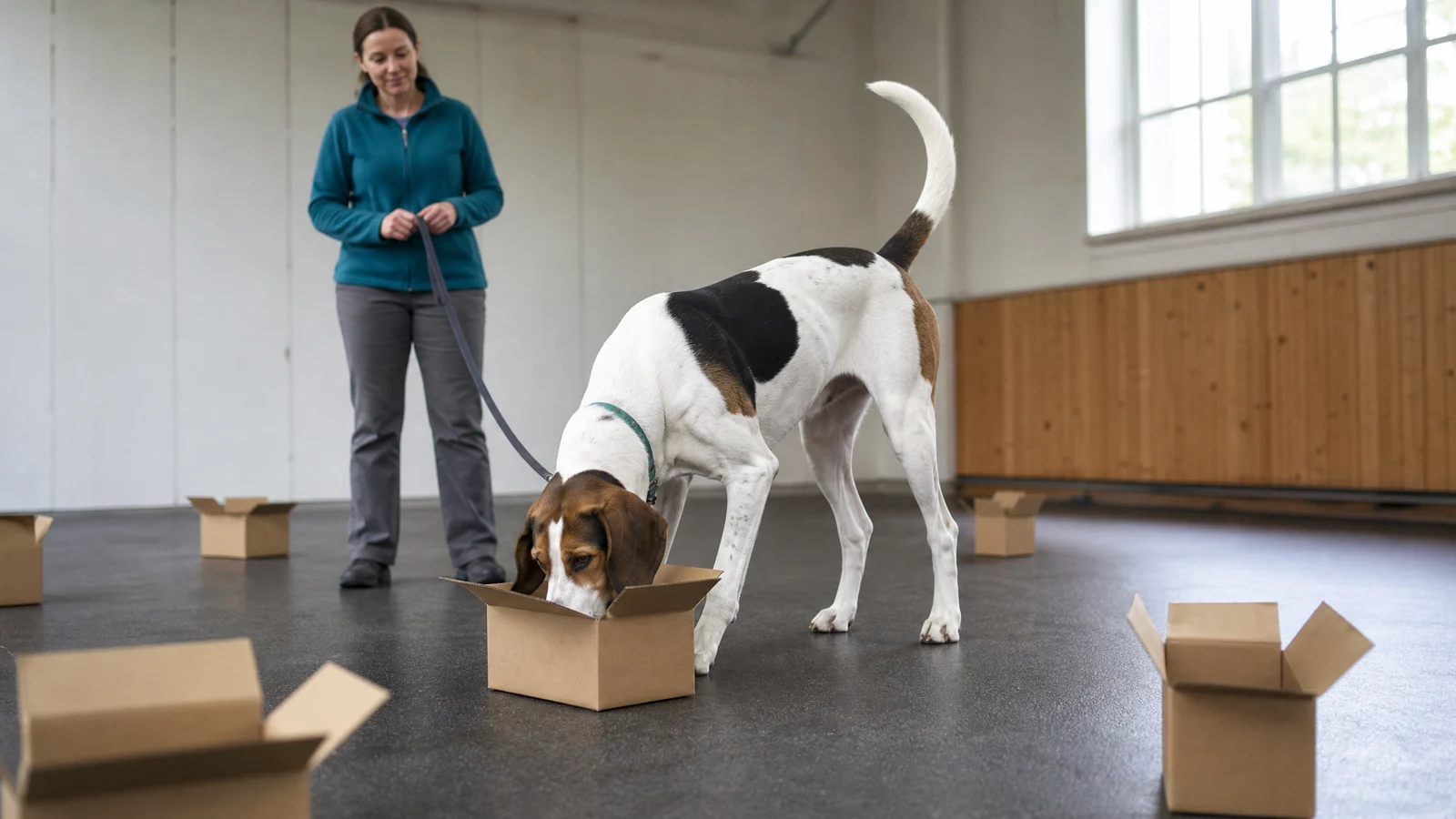
Scent enters the board in controlled amounts. Place a small food search in one visible patch or use a naturally interesting area that you can approach from a generous distance. The dog should be able to notice it without becoming unreachable. A visible boundary makes the first interruption easier to read.
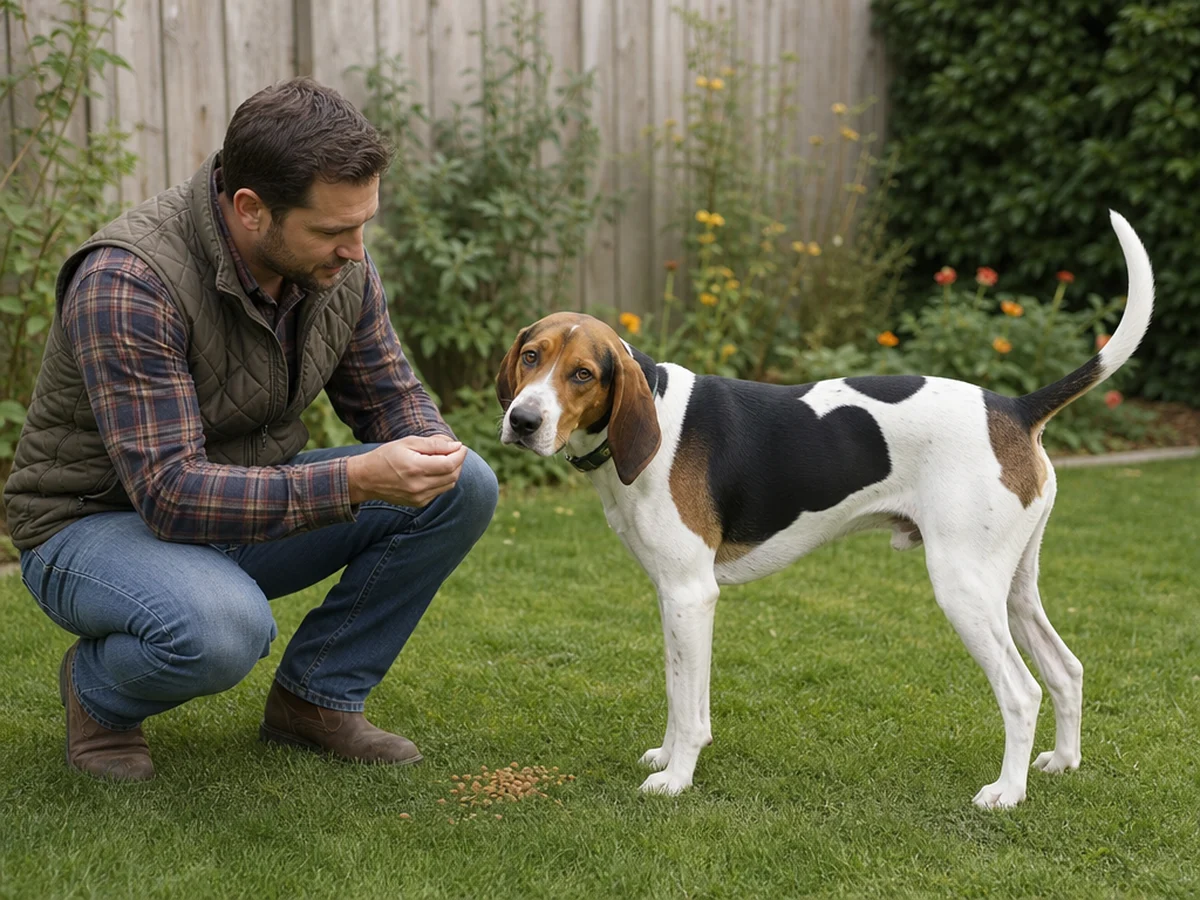
Beginning nose work can use open boxes and food to create a search with clear boundaries. Here, that structure helps you know when investigation starts and when to practice a voluntary return.
Game Space Three Pays the First Disengagement
Let your dog investigate briefly without calling. Watch for a head lift, ear turn, pause, or weight shift away from the scent. Mark that first disengagement and reward near you, then release them back to the patch. That tiny shift is valuable because it begins before a full recall is requested.
This game teaches that leaving scent temporarily does not make scent disappear. Voluntary returns become profitable, and the release keeps the handler from acting only as the person who removes access.
Keep the scent patch modest enough that the dog can lift their head naturally. A few pieces of food scattered over a small area create a different challenge from an odor hidden deep in vegetation. Start with the clearer boundary because it makes disengagement visible.
Game Space Four Adds the Recall Cue
After several easy voluntary returns, say the recall cue as the dog begins to disengage. You are attaching the word to a movement already underway. Mark the turn, move away, and pay generously at arrival.
If the dog does not turn, do not repeat the cue. Use the line to prevent unsafe travel while you move farther from the scent and reset. The next trial should begin at greater distance or with a less interesting patch.
Practice the cue away from scent between these trials. A quick return from a quiet wander keeps the sound associated with easy wins. It also shows whether a slow response belongs to the scent condition or to the cue itself.
Game Space Five Uses Sniffing as Payment
Call from an easy distance, reward at your body, touch the harness, and release back to sniff. Food pays the arrival while access to scent pays the full chain. This combination can matter when environmental access outweighs ordinary food.
- Begin far enough away for an easy turn.
- Call as attention starts to lift from scent.
- Reward the close finish and harness touch.
- Release to the scent when the area remains safe.
The breed standard describes an alert, active, intelligent dog with endurance. That context supports building a lively game, but the individual dog's behavior decides how difficult each replay should be.
Vary the release after arrival. Sometimes return the dog to the same patch, sometimes move together toward a different safe area, and sometimes end with play. Variety prevents the recall from predicting one narrow outcome while keeping each outcome pleasant.
Use a separate release cue that never sounds like recall. The contrast tells the dog when to travel toward you and when exploration resumes. If both words blur together, practice them close to home before bringing scent back onto the board.
Raise Recall Difficulty Across the Board
Difficulty has separate dimensions. Distance changes how far the dog travels, distraction changes what competes, and duration changes how long they remain engaged elsewhere. Raise one dimension while the other two return to an easy setting. This separation turns a vague failure into useful board information.
The site's Treeing Walker leash training focus lab helps identify which dial altered the response. A slow turn after added distance calls for a different adjustment than a failure that appears only beside heavy scent.
Draw the board on paper if several people practice with the dog. Mark the easy zone, the scent zone, and the retreat path. Shared geography helps family members avoid starting at different difficulty levels or calling from places where line handling is awkward.
Game Space Six Changes One Square
Add a small amount of distance in the quiet area, or keep the dog close while scent becomes slightly more interesting. Alternate harder trials with easy ones. A board made only of escalating spaces quickly turns play into an exam. Easy replays keep the game recognizable while the new square changes.
Use the long line throughout. Gather slack smoothly as the dog returns, but do not reel them in as the teaching method. If line pressure creates the arrival, lower difficulty until the dog can choose the route.
Consistent leash practice may take patience, and recall deserves the same long view. Many rewarded repetitions in controlled settings build a history, yet that history does not erase the effect of a new environment.
- Increase distance while scent remains light.
- Increase scent interest while distance remains short.
- Keep the close finish easy after either change.
- Return to a simple replay before ending.
Game Space Seven Opens the Repair Bench
Write down which component failed before reaching for a solution. This keeps a slow turn from receiving the same repair as a hand-shy arrival, and it protects the parts of the chain that already work.
For a weakened cue, pause its use in hard settings. Rebuild close in a quiet area with a fresh, distinctive word if the old cue has been repeated without results. Pair it with immediate movement and excellent payment.
For a weak arrival, practice close finishes without calling from distance. Offer a hand target, reward beside your body, touch the harness, feed again, and release. Reconnect that piece before asking it to carry the entire chain.
For difficulty around scent, reward spontaneous disengagement and move farther away. Do not wait for total absorption before testing the cue. Good board design gives the learner a visible route back.
Test a new square only after the previous one produces relaxed movement and a close finish. Speed alone is not the goal. The dog should be able to arrive, take payment comfortably, accept a harness touch, and understand the release that follows.
Ask another family member to observe without calling. They can note where the turn began, whether the line tightened, and where payment landed. A second view often finds a handling detail that the person moving backward could not see.
Repair a Treeing Walker Coonhound Recall Game That Breaks
Locate the broken link before changing the whole board. A dog who never notices the cue needs a quieter setup. A dog who turns but stops halfway may need better movement or reward placement. A dog who arrives and dodges the hand needs separate harness-touch practice. Preserving the sound links prevents unnecessary rebuilding.
Use the site's Treeing Walker leash training casebook when the problem is being labeled as refusal. Context, motivation, clarity, and comfort should all be reviewed before choosing the next trial.
If recall changes suddenly or remains poor in quiet familiar places, consult your veterinarian and a credentialed trainer who teaches with rewards. Health and behavior support belong beside careful management, especially when safety is involved.
A successful repair should make the next choice clearer and safer for both participants. Preserve that clarity before adding novelty.
Tomorrow, replay the easiest space that repaired the chain today. Clip on the same safety line, choose a modest scent patch, and keep the cue protected. The goal is another voluntary return, not permission to gamble without the board.
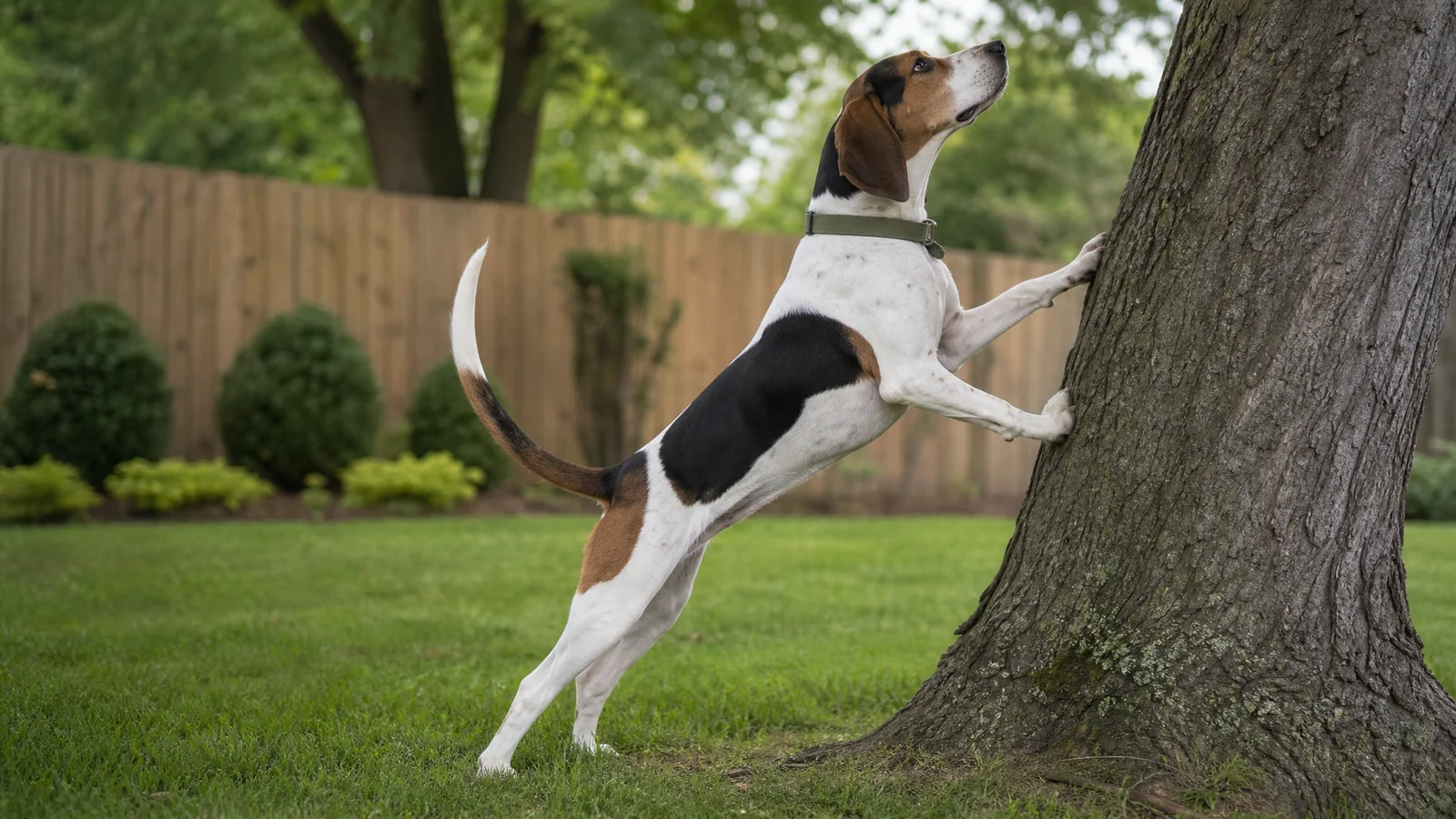 BehaviorRedirecting a Treeing Walker Coonhound Who Fixates on Trees
 Exercise and jobsScent Games and Agility for a Treeing Walker Coonhound Who Needs Work
 Training basicsTreeing Walker Coonhound Stubborn Streak Casebook