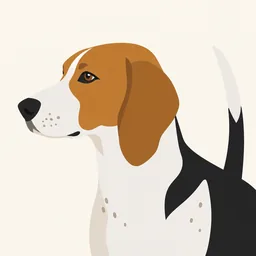
 Treeing Walker
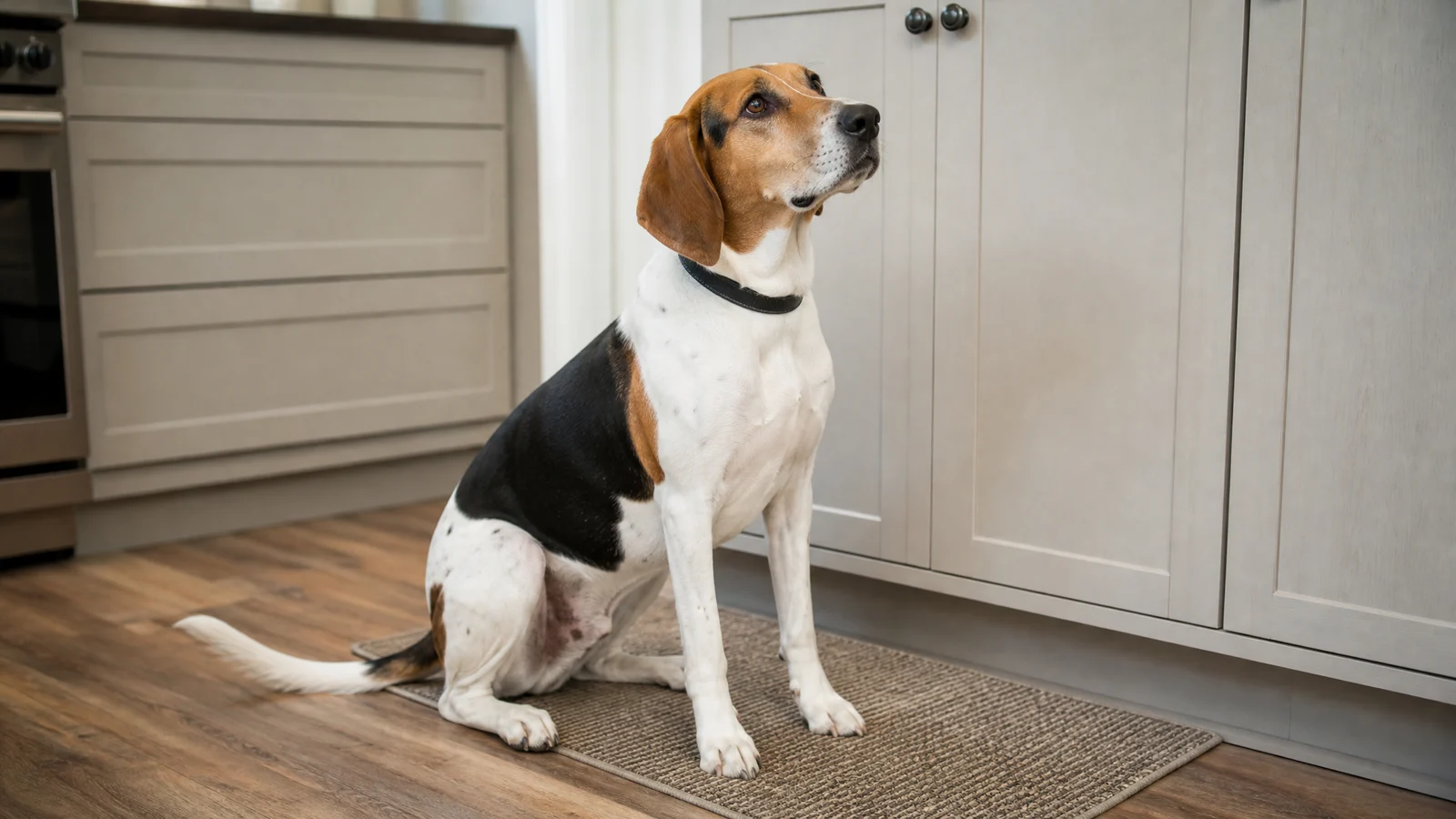
The cue works in the kitchen, becomes slow in the yard, and seems to vanish beside a scented hedge. It is easy to write “stubborn” across all three moments. That label feels explanatory, but it does not tell you what to change before the next lesson. That gap is the conference's first useful piece of evidence.
A case conference replaces judgment with competing explanations. The dog may not understand the cue in that setting, the reward may have lost value, the environment may be too difficult, or comfort may have changed. Several causes can appear together. Good review keeps these possibilities separate long enough to test them.
This article reviews one pattern through six conference rounds, from the incident record to follow-up evidence. We will examine motivation, criteria, setting, recovery, and professional help while keeping every intervention reward based. The aim is cooperation your Treeing Walker Coonhound can choose, not obedience extracted from a label.
The Treeing Walker Coonhound Training Case Enters Conference
Start with observable facts. Write that the dog turned to the cue indoors, sniffed for several moments outdoors, and did not return while the hedge remained close. Leave out words such as defiant, knows better, or manipulative. They describe intent you cannot verify. Neutral wording makes later comparisons more reliable.
The breed standard describes an alert, intelligent, active dog with endurance and desire to perform. Those qualities can support learning while also making the environment important. Intelligence does not mean every cue transfers automatically, and activity does not mean a dog can think through unlimited distraction. The conference still evaluates the individual in front of it.
Case Note One Describes the Incident
Record the cue, location, distance, reward, leash setup, and what happened immediately before the request. Include what the dog did after the missed response. A hound who reorients after moving away from the hedge presents a different case from one who cannot reengage in a quiet room. Precise notes make the later comparison fairer.
Also note handler behavior. Repeated cues, visible food, reaching for the leash, or stepping toward the dog may have become part of the picture. The record is not about blame. It identifies information the learner may be using.
Case Note Two Protects Safety First
Use a leash, long line, or secure enclosure wherever scent or movement could pull the dog beyond a safe boundary. Management is not evidence that training has failed. It prevents rehearsal and lets you choose trials that can end well.
No case conference can certify off-leash reliability. Behavior changes with context, and the breed's scent interest deserves durable precautions. The site's Treeing Walker Coonhound recall board keeps recall games attached to a physical safety system.
Training Evidence Before the Stubborn Label
Ask where the behavior is fluent. A cue practiced mostly in the kitchen may belong to that room from the dog's perspective. Try it in the kitchen from a different position, then near the doorway, before testing the yard. Each successful variation adds evidence of understanding. The answer defines which evidence the conference still needs.
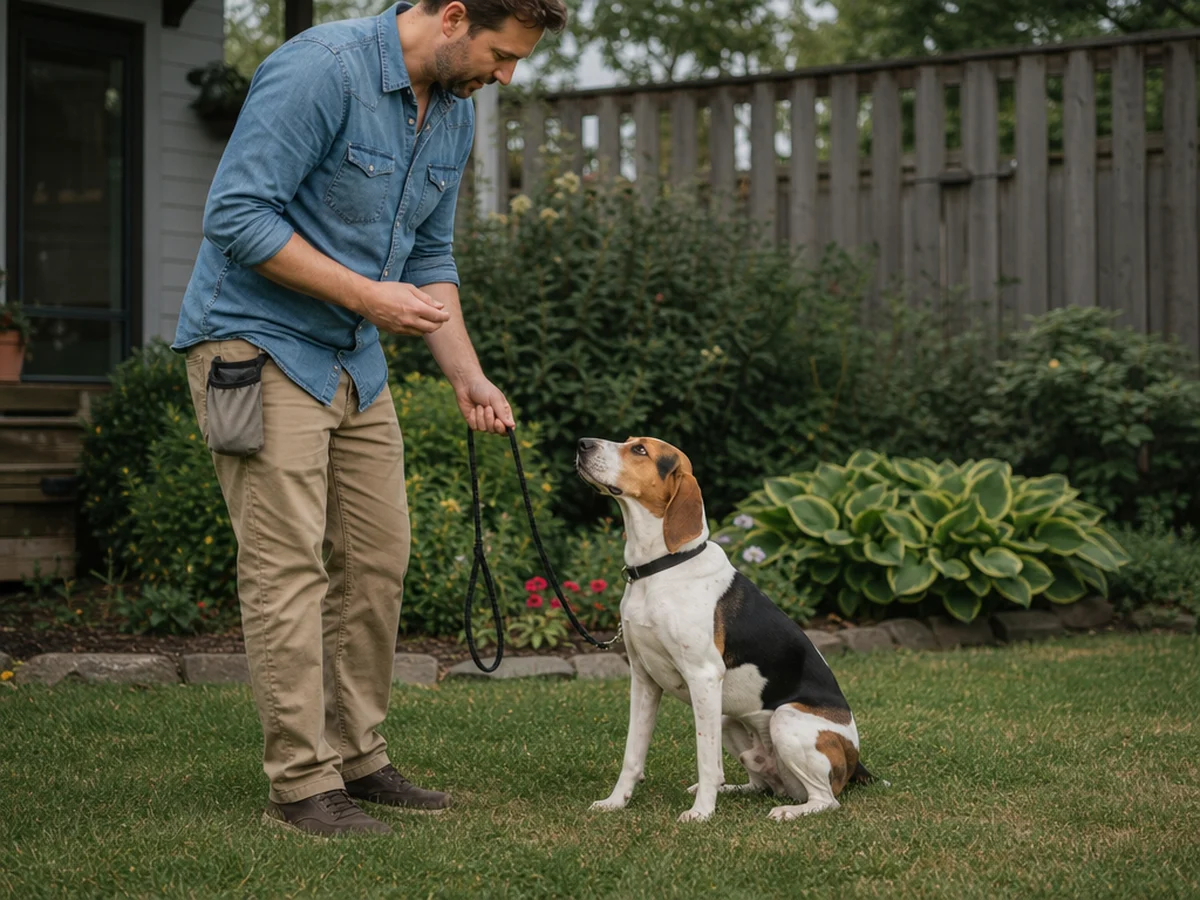
A known cue should survive small changes before it faces a major distraction. If a hand target works only when food is visible, the food may still be part of the prompt. If it works with an empty hand in several rooms, the learned behavior has stronger evidence.
Case Note Three Checks Generalization
Generalization means recognizing the same request across new pictures. Dogs do not automatically treat every room, posture, distance, or surface as equivalent. Change one feature while the rest remain familiar, then pay generously for the first correct response.
Use the Treeing Walker leash training roadmap to place that work in a longer sequence. The relevant point is not the calendar day. It is whether the dog has crossed enough small variations to understand the cue outside its original scene.
Regular veterinary visits should remain part of the file. Ask your veterinarian about an abrupt or persistent loss of participation, new sensitivity, appetite change, or reluctance to move. Training observations can reveal a shift without identifying its cause.
Training Motivation for a Treeing Walker Coonhound
Reward value is a relationship between the dog, the moment, and the available alternatives. A familiar treat may be excellent indoors and irrelevant beside fresh scent. That difference does not prove the dog is unmotivated. It shows that the current payment cannot compete in the current setting. The conference therefore asks what the dog wanted in that exact moment.
Reward-based training makes desired behavior more likely when a valued result arrives after the chosen behavior. Food, toys, praise, movement, and safe access to sniffing can all function as rewards when the individual dog wants them then.
Case Note Four Audits the Pay
Compare two rewards after the same easy behavior in the same place. Notice which one the dog takes promptly and returns from ready to continue. A reward that produces long chewing may be valuable but poorly suited to a quick sequence.
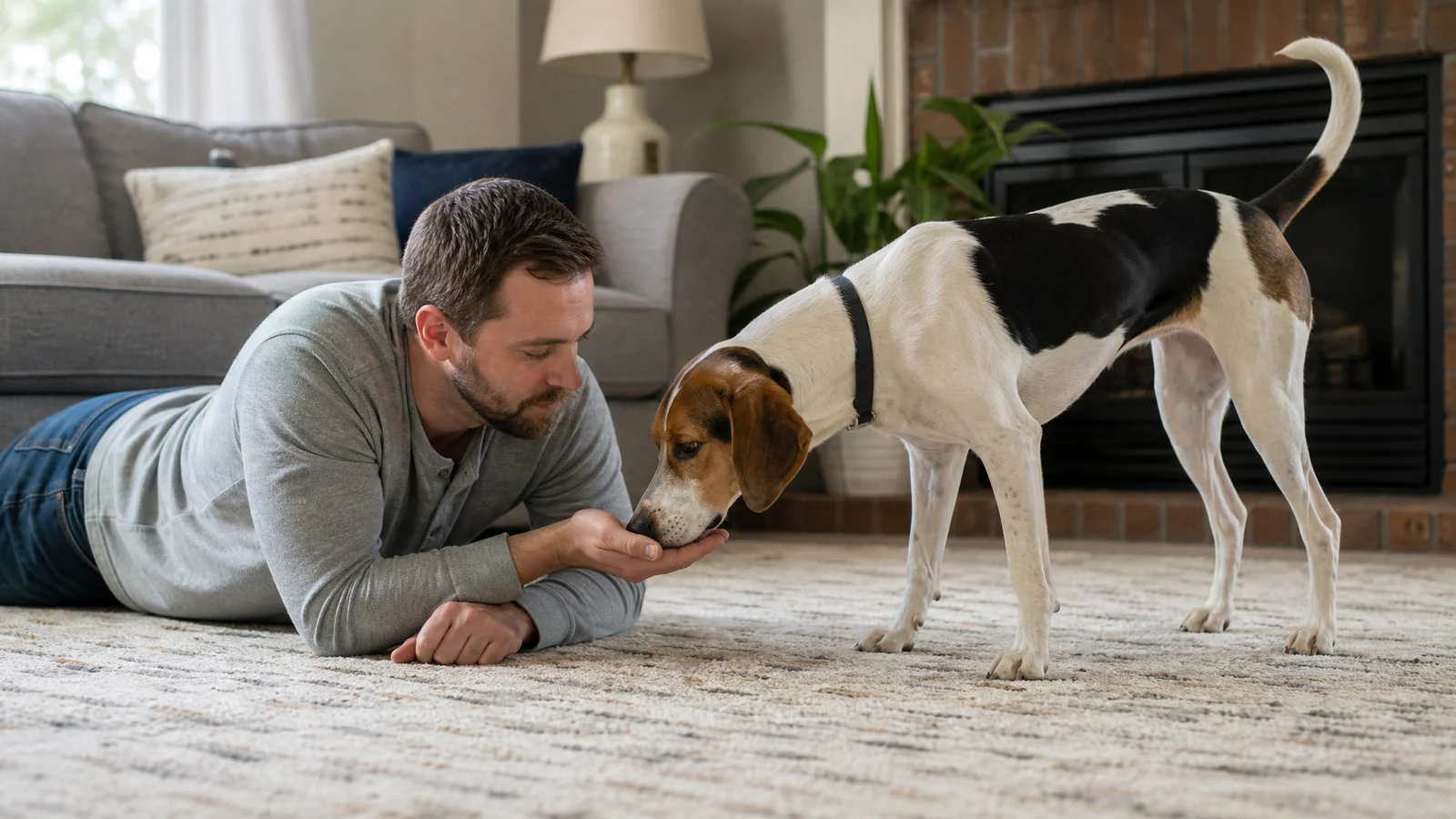
Keep food hidden until after the marker. When the dog must see it before responding, the visible food has joined the cue. Practice easy repetitions with empty hands, then deliver from a pocket or container after the behavior.
Case Note Five Makes the Environment Pay
Use access to the environment thoughtfully. After a check-in, say a release word and move with your dog toward a safe sniffing area. The sequence teaches that reconnecting can open the route instead of always ending exploration.
The humane training statement in the brief describes markers, cues, and reinforcers within structured reward-based work. Structure here means controlling distance and access so the desired choice is available, then paying it.
The conference should also ask what happened before the disputed cue. A long outing, an exciting visitor, or several difficult repetitions can change the dog's capacity for the next request. Antecedent context helps explain why an otherwise familiar setup produced a different result.
Training Criteria and Environment Under Review
Criteria define what earns the marker. “Pay attention” is too broad. “Turn your head after one name cue while standing far from the hedge” can be observed and rewarded. Clear criteria help the handler notice partial progress before frustration narrows the picture. Shared criteria also keep family members from rewarding different pictures.
Environment determines whether that criterion is reasonable. Distance, scent strength, motion, noise, fatigue, and previous activity all affect the trial. Lowering difficulty is not surrender. It creates a version in which the dog can discover the profitable choice.
Case Note Six Finds the Learning Edge
Begin where the response is easy, then approach the distraction only until orientation becomes slower but remains possible. Reward there and retreat. Working at the edge gives the dog useful practice without dropping them into a setting where the cue has no chance.
If eating stops or the dog cannot turn away, increase distance immediately. Do not wait for a dramatic failure. The earliest change in response is the best information because it lets you adjust while the learner can still recover.
Case Note Seven Repairs Cue Clarity
Say the cue once and allow time for a response. If nothing happens, avoid repeating it in a rising voice. Move to an easier position, offer a familiar hand target, or pause the trial. Repetition without a workable setup teaches that the first cue is optional noise.
Check reward placement too. Food delivered ahead can pull the dog forward, while food beside your body supports a return. Placement is part of the consequence, so choose it to reinforce the location or movement you actually want.
Agree in advance on what counts as success. A head turn at greater distance may be the correct goal even if the eventual skill requires a full return. Rewarding that early piece gives the revised plan traction and shows whether the chosen explanation is useful.
The Revised Training Plan Goes Home
The conference now turns evidence into a brief plan. Keep the successful indoor version, add one doorway variation, and choose an outdoor location farther from scent. Use a reward already tested there, plus a release to sniff after a clean response.
Breed-standard context supports expecting an active, intelligent learner, but it does not require one method for every dog. The revised plan should fit this dog's responses rather than trying to defeat a generalized independent streak.
Case Note Eight Sets the Next Sessions
Write the plan in actions so every person can recognize the same setup. The sequence below keeps the first revision deliberately small.
- Warm up with an easy orientation indoors.
- Practice one empty-hand target near the closed door.
- Move outdoors at a generous distance from the hedge.
- Reward one response and release to safe sniffing.
Stop after a small number of clean exchanges. A short session preserves the cue and makes the record easier to interpret. Several successful visits across the week are more useful than one session continued until the dog checks out.
If the problem is mostly walking, the site's Treeing Walker leash training workshop adds equipment and route choices. Keep this case plan focused on one disputed cue so progress is visible.
Case Note Nine Decides What Happens Next
If the plan works, advance one variable. Move slightly closer, add mild motion, or delay the reward a little, but do not combine those changes. If progress stalls, return to the last successful setting and reconsider comfort, reward, and cue clarity.
Seek a qualified reward-based trainer when repeated adjustments do not produce safe progress. Contact a veterinarian promptly when behavior changes suddenly or accompanies signs of discomfort. Professional help adds another careful observer, not a harsher label.
Training Follow-Up Evidence Closes the Conference
A useful follow-up happens under conditions close enough to compare, yet easy enough for the dog to participate. Keep the same reward and general distance before judging whether the revised setup helped.
At follow-up, compare like with like. Did the dog respond farther from the hedge with the revised reward? Could they return after a brief sniff? Did the empty hand target work without visible food? These questions test the explanations raised earlier.
Repeat the successful version across several ordinary days before adding difficulty. One excellent response can reflect a favorable moment, while a small pattern across changing days offers stronger evidence that the new plan is becoming usable.
Improvement may appear as quicker recovery before it appears as a perfect first response. That change matters. A dog who can leave scent, reconnect, and resume the exchange is developing a skill that can support many later cues.
Keep the written evidence available for the next review, because memory tends to preserve the hardest moment. A brief note can restore the quieter evidence that progress is building.
The conference closes with a better question than “How do we beat stubbornness?” Ask which condition now lets this Treeing Walker Coonhound choose cooperation, and which single condition should the next case note examine.
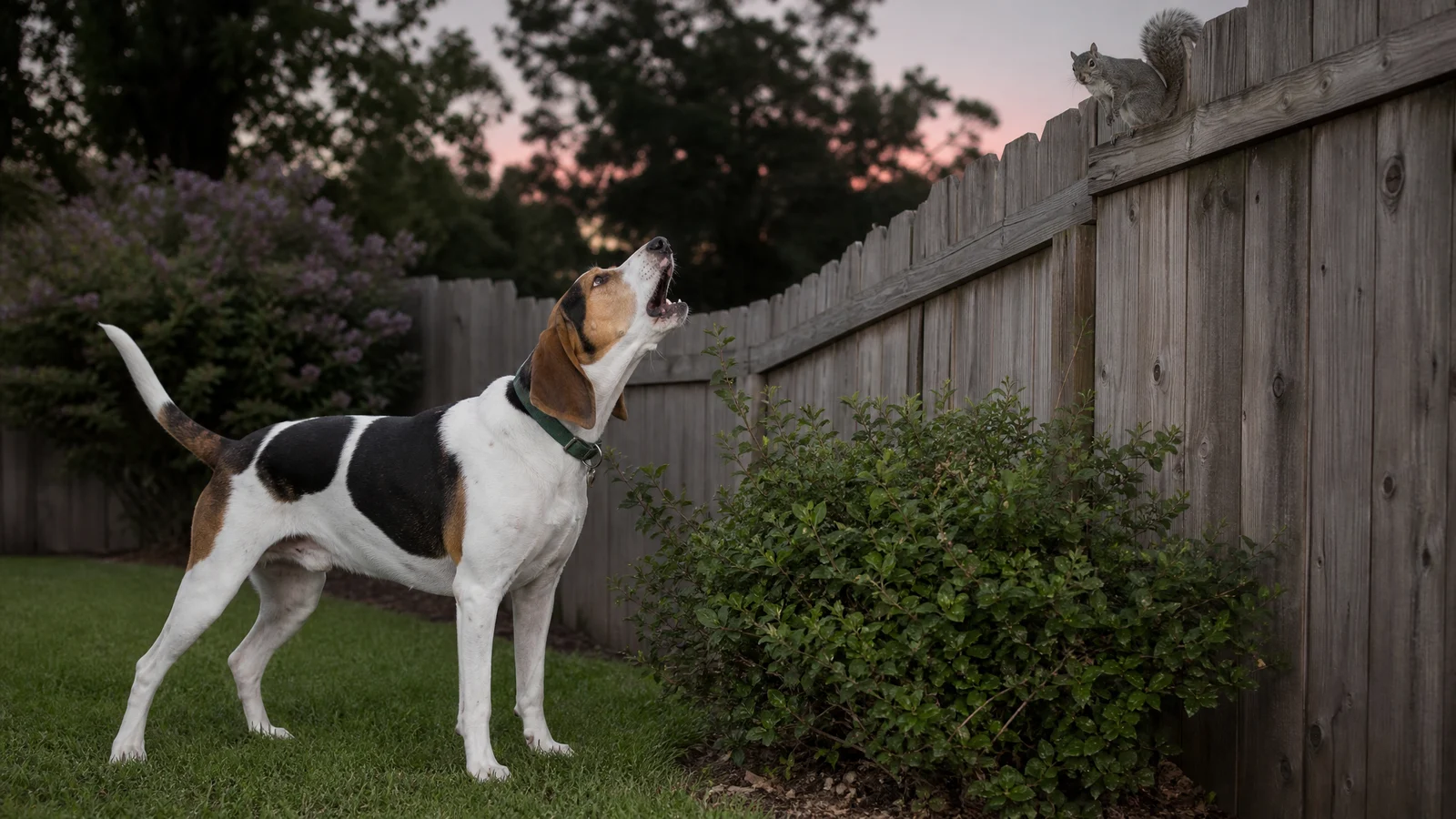 BehaviorWhy Does My Treeing Walker Coonhound Bay So Much?
 Training basicsReward-Based Treeing Walker Coonhound Training Roadmap
 BehaviorA Few Barks, Then Back: Treeing Walker Coonhound Tree Line Manners