 Treeing Walker
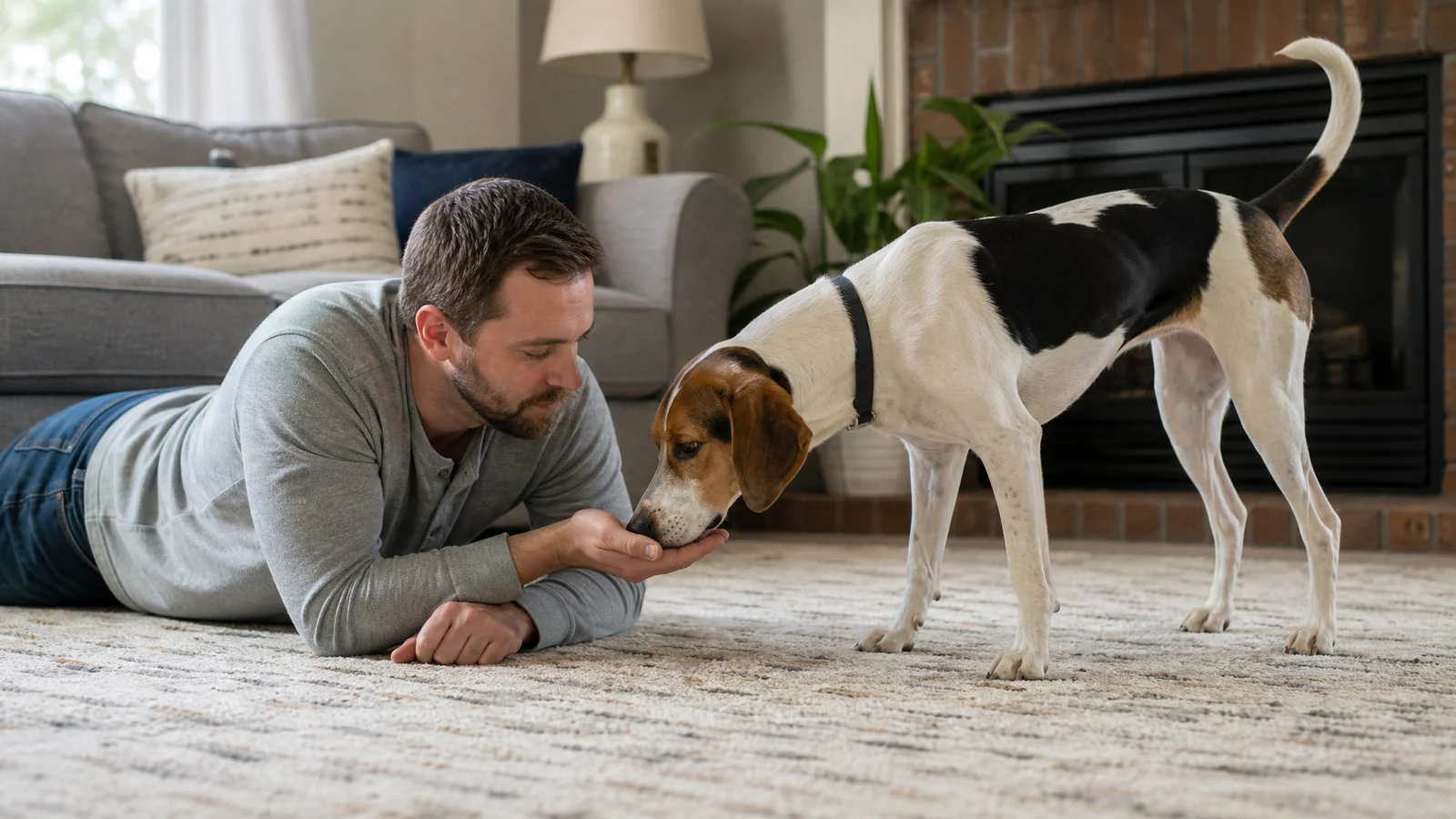
An empty calendar can tempt you to fill every square with a new cue. That makes a busy month, but it rarely makes a clear learner. A Treeing Walker Coonhound can be intelligent, energetic, and eager while still choosing a scent or movement over a lesson that has become confusing. That distinction keeps the calendar honest and the learner comfortable.
A useful month has a route, not a race. The first days establish communication, the middle turns skills into household habits, and the final stretch carries those habits into carefully chosen outdoor settings. Each stop keeps rewards generous and criteria small enough for the dog to solve. It also leaves room for rest when the dog shows that the day should be lighter.
This article maps thirty days through five training districts, with checkpoints for deciding when to advance. We use a calendar as an observation tool, not a promise of mastery. Your hound may cross one district quickly and circle another several times, and that information makes the next plan more personal.
Opening Days Set the Treeing Walker Coonhound Training Compass
The opening district is about finding north. Choose a verbal marker such as “yes,” several rewards your dog values, and a quiet place where they can notice you without abandoning the rest of the room. Say the marker once, deliver a reward, and pause before repeating the exchange. This preparation keeps the first exchange uncluttered.
Reward value is not fixed. Food may work in the kitchen, a toy may work after a nap, and permission to sniff may matter most outdoors. Test one option after the same easy behavior, then notice whether your dog eats or plays and returns ready for another turn. The comparison matters because preference can change before the next district begins.
The reward-based principle is simple. A valued consequence makes a behavior more likely to return. Your early job is to mark the choice while it happens, then pay promptly enough that the dog can connect the two events.
Checkpoint One Records a Calm Baseline
On the first day, record what your dog already offers in a quiet room. Note whether they turn toward their name, follow an empty hand, take food gently, and settle after the exchange. A baseline is not a grade. It prevents you from mistaking an easy starting skill for rapid teaching. That record becomes the first landmark on the map.
During the next few days, reward orientation without demanding long eye contact. An ear flick, head turn, or step toward you can begin the pattern. Once those responses arrive quickly, offer an empty palm near the muzzle and mark a soft nose touch.
Keep the leash available around exterior doors and unfenced spaces. The breed's interest in scent makes physical management part of thoughtful teaching. The leash does not prove the cue failed. It gives the learner room to make choices without letting one mistake become dangerous.
Regular veterinary visits belong on the calendar too. Ask your veterinarian about a sudden loss of appetite, new reluctance to move, or an abrupt change in attention, because a training note can identify a change but cannot explain its physical cause.
Connection Days Build the Treeing Walker Coonhound Training Roadmap
The second district links separate skills into a conversation. Say the name once, mark the turn, offer the hand target, and release your dog to something pleasant. The release matters because it shows that responding does not always end access to the environment. A clear release keeps the chain from feeling like an endless demand.
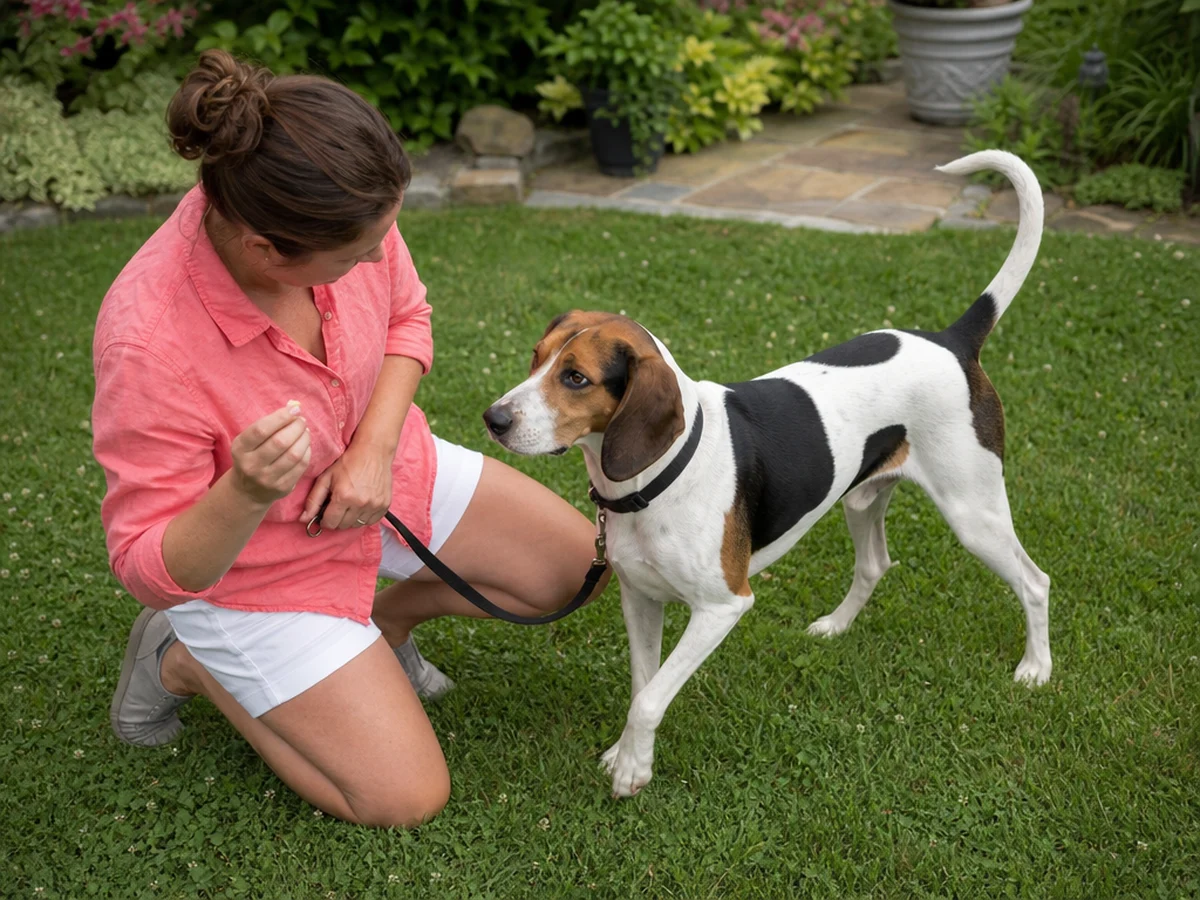
Use brief visits instead of one long lesson. Stop while responses are still prompt, then return later in another room. We want the hound to recognize the cue across changing pictures rather than memorize a person standing in one familiar spot.
A Treeing Walker Coonhound's energy can make repetition look productive long after thinking has faded. Watch for slower eating, floor sniffing unrelated to the game, repeated guesses, or a body turning away. Those are reasons to simplify or finish, not reasons to repeat the cue louder.
Checkpoint Two Tests One Small Change
Change only one feature at a time. Take a step farther away while the room stays quiet, or keep the distance close while someone sits nearby. If distance and distraction rise together, a missed response cannot tell you which part exceeded the dog's current skill. A single change makes the dog's answer readable.
Use the following order as a flexible route. Each step should remain easy before the next one joins it.
- Mark a voluntary glance in the easiest room.
- Add the name before the familiar turn.
- Offer a hand target after the dog reconnects.
- Release them to sniff, play, or rest.
When one link breaks, return to the last clean exchange. Do not run the entire chain again. A dog who turns to the name but misses the hand target has already shown useful understanding, so preserve that success and make the target closer.
For a broader view of how attention fits the month, the site's Treeing Walker leash training focus lab helps you adjust distractions. The label is less important than the habit of changing one dial and observing the result.
Household Days Put the Training Roadmap Into Daily Life
Skills become valuable when they solve ordinary moments. Teach a mat as a place to pause while meals are prepared, use a hand target to move around furniture, and reward four paws on the floor before a door opens. These are not separate performances. They are ways to make shared space predictable. Daily usefulness is the standard that decides whether a skill belongs on the map.
The companion-dog study in the brief supports choosing reward-based methods over fear or intimidation. Clear structure still matters. Structure means arranging the environment, asking for an achievable action, and paying the action you want repeated.
| Calendar moment | Skill to practice | Evidence to record |
|---|---|---|
| Meal preparation | Mat pause | Returns to the mat after a release |
| Interior doorway | Wait and release | Four paws remain grounded as the handle moves |
| Moving between rooms | Hand target | Follows an empty palm without body pressure |
| Quiet evening | Settle | Can disengage after a short exchange |
Checkpoint Three Reads the Household Map
Look for usefulness rather than perfection. A dog who finds the mat while you lift a plate has learned more for household life than a dog who holds a formal position only when food is visible. Reward the first practical version, then improve duration gradually.
At a doorway, break the picture into pieces. Reward a pause before touching the handle, then after touching it, then as the door opens a crack. Use a separate release word. If your dog moves early, close the door calmly and reduce the next step.
Family members should agree on the cue, marker, and release. They do not need identical voices or posture, but they should pay the same kind of choice. Mixed rules create a puzzle in which the dog must guess which person's version is active.
Do not use the calendar to force progress through a difficult day. A shorter mat visit or an easy name response can preserve the training relationship when the household is noisy. Consistency is returning to the plan, not demanding equal output every day.
Outdoor Days Carry the Treeing Walker Coonhound Training Roadmap Outside
Outdoor transfer begins near home, not in the hardest location you can find. Stand in a secured yard or quiet entrance and reward the smallest check-in. After your dog reconnects, release them to investigate a safe patch so attention and sniffing become partners. Starting below the dog's limit protects both curiosity and response quality.
The breed's history explains why scent can occupy so much attention, but history is context rather than an operating manual. Modern pet training can respect that sensory strength through safe searches and sniff breaks. Beginning nose work can also offer a structured outlet with open boxes and food.
Start loose movement with a few steps. Mark while the leash hangs softly and deliver the reward near your leg, then release forward. When tension appears, pause forward travel and notice the first turn or weight shift toward you. Mark the reconnection instead of pulling the dog into position.
Checkpoint Four Protects Recall and Leash Skills
Practice recall only where a secure enclosure or long line prevents a failed choice from becoming unsafe. Say the cue once when success is likely, move away invitingly, and reward near your body. Then release the dog again when the setting permits, because coming should not always end exploration.
No thirty-day plan creates an off-leash guarantee. Scent, movement, and context continue to affect behavior, even after many successful repetitions. The site's Treeing Walker Coonhound recall board develops the skill while keeping a physical safety system in place.
Record the location, distance, and distraction rather than writing only “good” or “bad.” A quick response on the stoop and a slow response near a hedge are two different data points. That distinction tells you where the next easy repetition belongs.
End a walk practice after a clean check-in or a short loose stretch. Continuing until the dog is exhausted can hide whether they learned the pattern. A brief success followed by an ordinary sniffing walk gives both learners a clear finish.
Checkpoint Five Leaves Part of the Map Blank
A useful plan keeps open space for the dog in front of you. If mat work is thriving but outdoor orientation remains fragile, maintain the mat casually and spend more teaching energy near quiet exits. If outdoor check-ins are strong, move them gradually across routes rather than assuming they transfer everywhere.
Watch recovery as closely as performance. A dog who misses a cue, sniffs briefly, and returns to the game may be learning well. A dog who remains unable to reengage needs an easier setting, a different reward, more rest, or professional support.
Final Days Draw the Next Training Roadmap
The final district is an audit, not a graduation. Read the notes from the month and circle behaviors that appear in more than one place. Underline situations where your dog could not eat, play, orient, or recover. Those patterns matter more than the number of cues attempted. The audit should describe change without turning every uneven day into a setback.
Choose a household skill, one movement skill, and one connection skill for the next month. Keep their easiest versions in regular use while advancing only one feature at a time. This prevents a broad plan from becoming a pile of half-familiar requests.
A month can reveal that attention is strongest before breakfast, that doorway work needs more distance, or that outdoor rewards must change with the setting. Those observations are useful results rather than unfinished business.
The next route may lead toward the site's Treeing Walker leash training workshop or deeper household practice. Pick it from evidence, not from the unfinished squares on a generic calendar.
Leave the last square blank. On that day, offer an easy cue, pay well, and notice what your Treeing Walker Coonhound chooses next. Their answer is the compass for the month ahead.
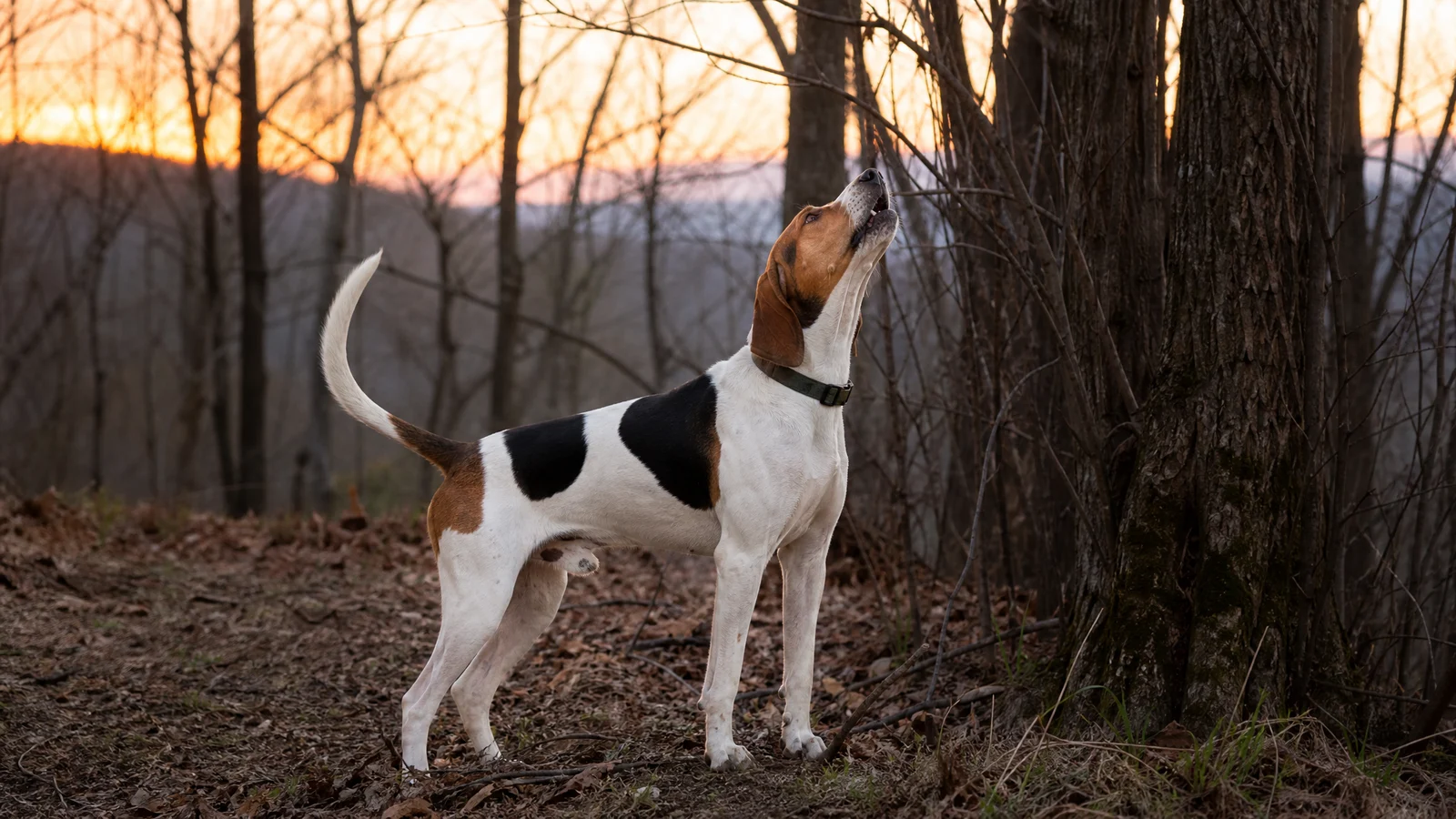 BehaviorA Few Barks, Then Back: Treeing Walker Coonhound Tree Line Manners
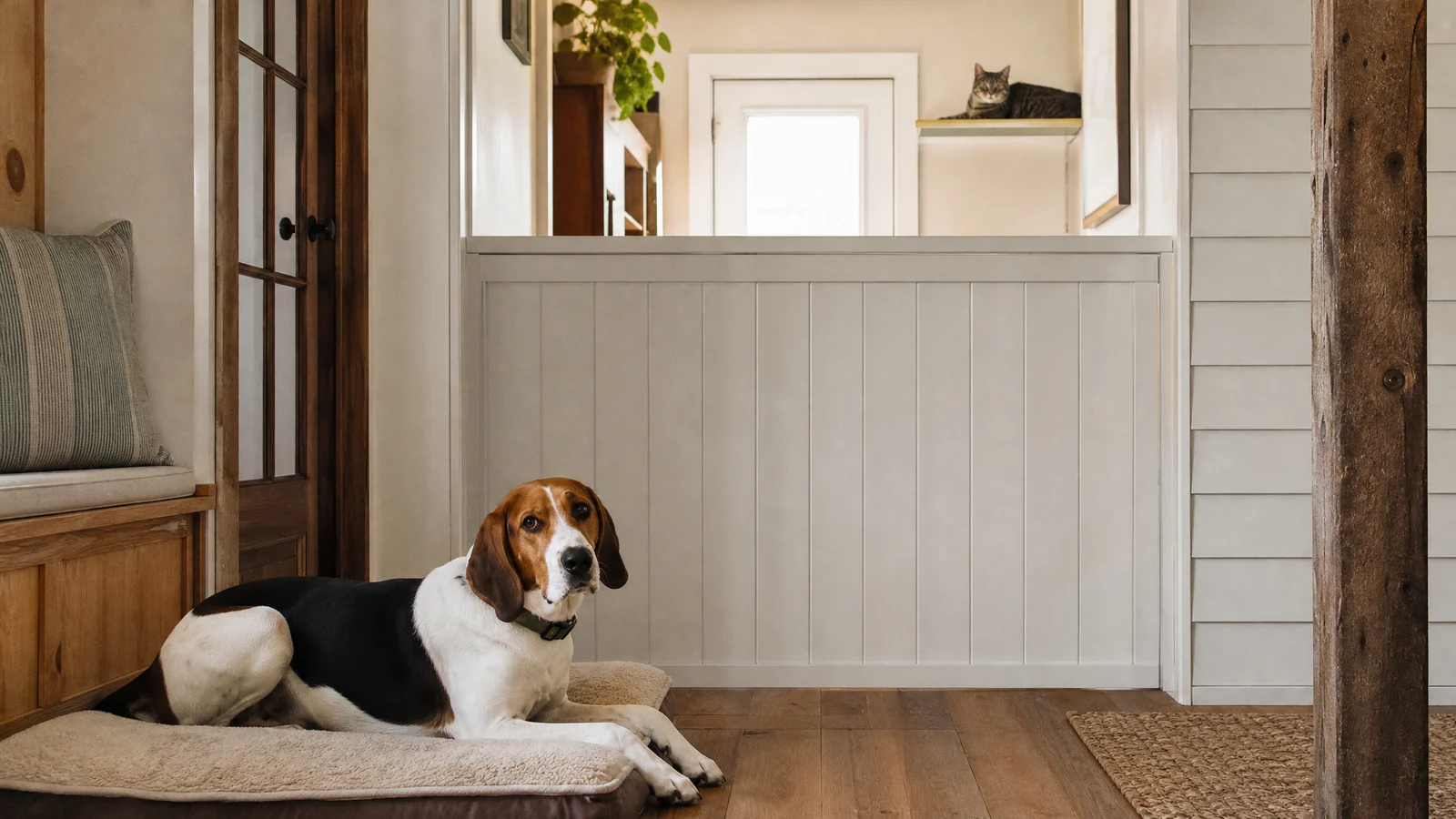 BehaviorTeaching Calm Around Cats and Small Animals Despite Prey Drive
 Training basicsTreeing Walker Coonhounds and the Open Gate: Teaching a Wait