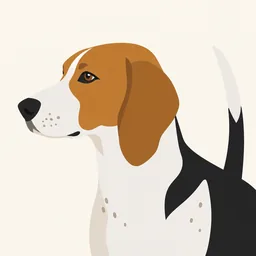
 Treeing Walker
The latch clicks, a visitor opens the door, and a Treeing Walker Coonhound slips through before the person holding groceries can react. The near miss is often described as a failed wait. In practice, two separate safety keys were missing: a physical system that controlled the opening and a trained release system the dog understood.
Hardware protects the dog while learning is incomplete. Training makes the threshold predictable during ordinary use. Neither key replaces the other, especially for an active scent hound who may discover something compelling on the far side of a door.
This guide audits exits, installs both keys, adds door motion in measured steps, transfers the skill to gates and vehicles, and gives every household member one traffic protocol. The goal is permission at thresholds, not a wager that one cue can beat every smell.
Audit Treeing Walker Coonhound Bolting Through the Gate
List every exit the dog uses before practicing at the easiest one. Include the front and back doors, yard gates, garage access, vehicle doors, and any interior door that leads directly toward an unsecured opening. Different hinges, surfaces, sight lines, and family routines make each threshold its own problem.
Watch normal traffic without staging a test. Note who touches the latch, whether the dog crowds the opening, what appears outside, and where a second barrier could fit. The audit should reveal where a human mistake currently turns into an escape route.
Rank the thresholds by consequence and predictability. The busiest exterior gate may need immediate hardware changes, but it is a poor classroom. Begin training at a quiet interior door while management covers the dangerous exits.
Photograph or sketch the starting arrangement so other residents can restore it. A moved gate, relocated leash, or package blocking the reward station changes the system. The audit is complete only when the safe setup can survive an ordinary busy day.
The Hardware Key Stops Bolting Through the Gate
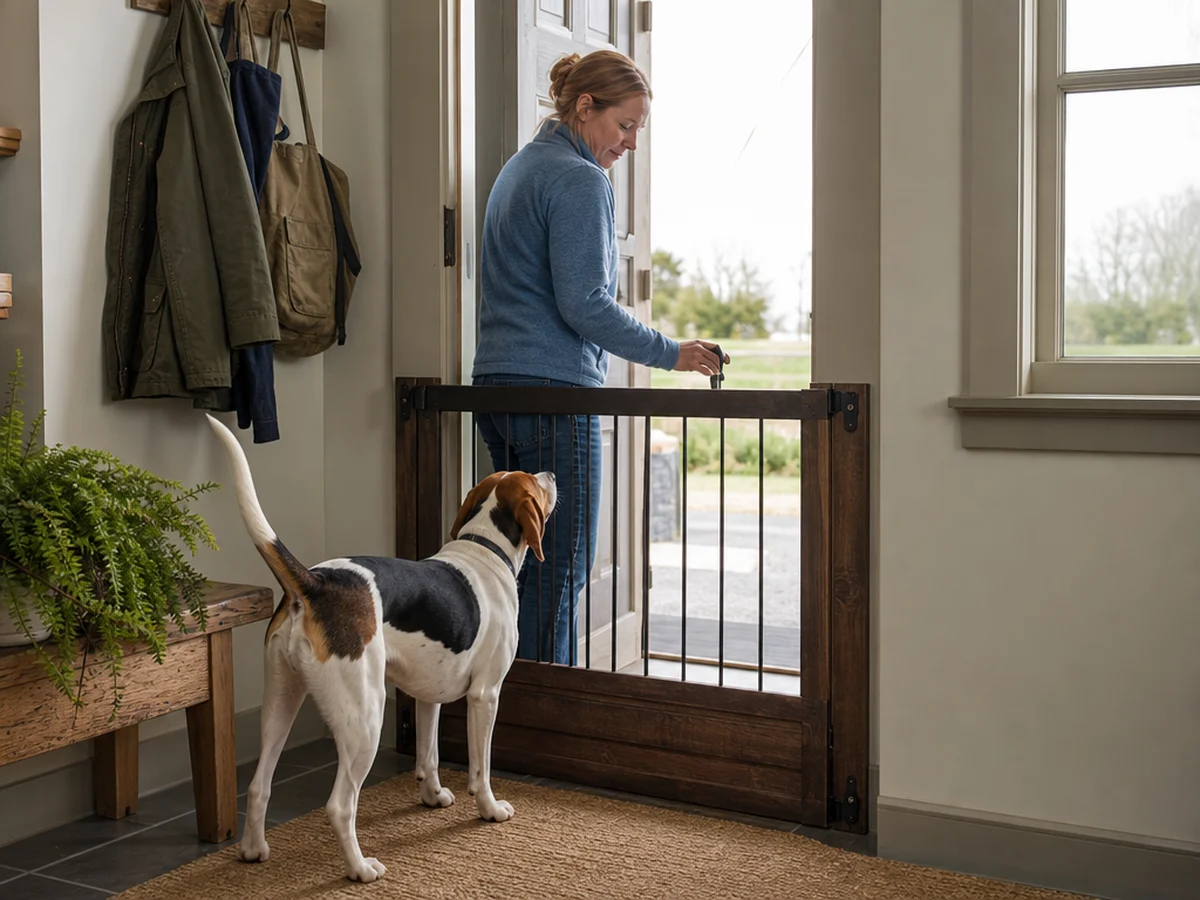
A second barrier changes the consequence of a mistake. An interior gate, closed room, exercise pen, or secure tether held by an adult can keep the dog from reaching the exterior opening. Choose a setup that fits the building and cannot be jumped, pushed aside, or accidentally left open.
Inside the Door
Create a leash station away from the swing of the door. The leash should be attached before the safety barrier opens, not while the dog stands between a person and the outside. Store rewards there as well so the handler does not leave the setup to search for food.
Tell visitors the rule before they arrive when possible. A note at the entry can direct them to wait while the dog is secured. The person at the door should never assume that another resident is holding the dog.
Keep the approach surface clear. Slippery mats, stacked packages, or a narrow passage can make the handler lose balance as the dog moves forward. Good management includes the human's footing and ability to close the door promptly.
Separate delivery handling from dog handling whenever possible. One person secures the hound before another opens the exterior door. If only one adult is present, the dog waits behind the closed interior barrier until the package and visitor traffic are finished.
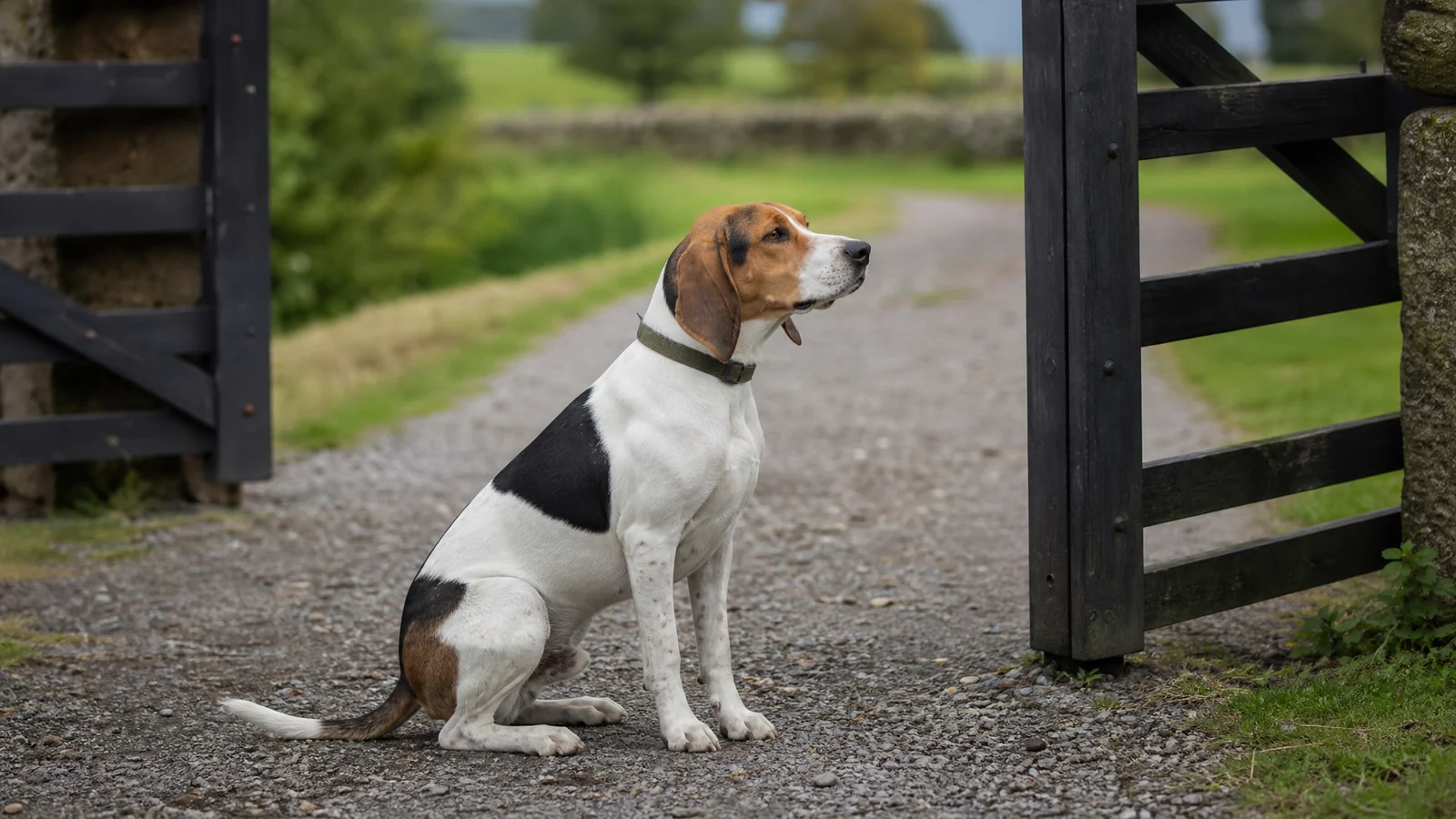
Outside the Gate
Check hinges, gaps, latch height, and whether wind or another animal can move the gate. Training cannot fix a latch that does not catch. Repair the physical boundary before using it as a practice location.
Use the leash whenever the gate will open during early training. A long line may suit a large enclosed yard, but it should be organized before the dog approaches so it cannot wrap around legs or drag through the opening.
The RSPCA recall guide recommends a long training lead for safe outdoor practice. At a gate, the line is backup rather than the lesson. The dog still learns that opening follows a pause and a release.
Now return to the audit and assign the first safety key. The table keeps a building problem, a handling problem, and a learning problem from collapsing into one vague complaint about bolting.
| Threshold | Current weak point | Safety key to add first |
|---|---|---|
| Front door | Visitors enter before the dog is secured | Closed interior gate or separate room |
| Yard gate | Latch is hidden or easy to miss | Visible latch check and leash before opening |
| Vehicle door | Leash is attached after the door opens | Attach inside before anyone releases the door |
| Garage route | Two doors can stand open together | One-door-at-a-time household rule |
Teach the Treeing Walker Coonhound Permission Key
Choose a release word that household members do not use casually in conversation. The release means movement through this threshold is now available. It should not mean rush, pull, or leave the handler behind.
Begin at a quiet interior door with the dog on leash and the door fully closed. Stand still, wait for any pause away from the seam, mark that grounded choice, and reward behind the dog's starting line. The reward location makes backing away from the door profitable.
Closed-Door Rehearsals
Touch the handle, remove your hand, and pay the dog for remaining behind the line. Repeat with a brief handle turn, then a latch sound. If the dog surges forward, reduce the movement and reset without opening.
Do not repeat “wait” while the dog crowds the door. One cue can label the pause after the behavior is easy, but the opening itself should provide the consequence. Calm position makes the next small movement happen, while forward pressure makes it stop.
The AKC standard describes an alert, active hound with endurance and a desire to perform. We give that dog a precise job at the seam instead of asking for a vague calm mood while exciting information waits outside.
The Release Rehearsal
After several easy pauses, say the release word and move through together for a prepared reward or sniff. The release should sometimes lead outside and sometimes lead only to a step through an interior doorway, so the word gains meaning without every repetition becoming highly exciting.
Turn and come back through under the same protocol. Doorway manners work in both directions. A dog who waits to leave but barrels inside can still knock a person down or rehearse crowding.
We end the session after a small number of clean exchanges. Drilling until the dog guesses, vocalizes, or scratches turns a simple permission rule into a long frustration exercise.
Door Motion Without Bolting Through the Gate
Door motion is a ladder, not one leap from closed to open. Raise one feature while the rest stays easy. A wider gap, longer pause, person outside, visible package, and moving visitor are separate difficulties.
- Touch the handle and reward behind the line.
- Move the latch while the door remains closed.
- Open a narrow gap, close it, and reward the pause.
- Open wide enough for the handler, then close without passing through.
- Step through alone and return while the dog stays managed.
- Give the release and travel through together.
At each step, reset the dog far enough from the seam to succeed. If paws cross the line, close the door gently if it is safe, move back, and reduce the next opening. The closed door simply ends that opportunity, while a steadier pause makes another opening possible.
Add scent deliberately after the mechanics are clear. The nose work guide from Best Friends explains how planned searches can channel scenting into a defined task. A small search away from the exit can become the reward after a released threshold crossing.
Do not place food outside an unsecured door and then ask the dog to resist it. That setup creates unnecessary conflict and a dangerous mistake. Use low-stakes rewards beyond an interior door or inside a securely enclosed area.
The site's Treeing Walker focus guide can help adjust distraction separately. Door practice should answer one threshold question at a time rather than mixing attention, recall, and visitor behavior into every repetition.
Transfer the Treeing Walker Coonhound Wait
A learned pause does not automatically transfer from a bedroom door to a yard gate. Return to the easiest handle movement at each new location. Keep the leash attached, restore the second barrier where possible, and pay behind the new line.
At a yard gate, practice from inside a secure enclosure and use a helper outside only after quiet repetitions. The helper stands still and does not call the dog. Their role is to add presence gradually, not to tempt a bolt.
At a vehicle, attach the leash before opening the door or hatch. Open a narrow gap, reward the dog for remaining inside, then close it. Add the release only after the handler has secure control and the landing area is safe.
Practice vehicle entries too. The dog waits while the door opens, enters after the release, and settles before the leash is reorganized. A shared permission rule on both sides of the trip prevents hurried loading from becoming the weak half of the routine.
Garage exits deserve special care because vehicles, tools, and two connected doors can create several hazards at once. Use a one-door-at-a-time rule and keep the dog behind a barrier until the vehicle is stationary and the exterior door is closed.
Outdoor thresholds should remain managed even after good progress. A fresh track can change the difficulty without warning. The site's Treeing Walker training roadmap treats progress as evidence, not permission to remove safety layers on a calendar date.
Household Traffic for Treeing Walker Coonhound Gates
Give every resident the same short sequence: announce the exit, secure the dog, attach the leash when needed, check the latch, open only after a pause, and use the release word. Visitors and children do not operate the gate during training.
Practice awkward but common moments without creating a real escape chance. Carry an empty bag through an interior door, set down a package before touching the latch, or have a helper knock while the dog remains behind the second barrier. The person learns the protocol alongside the dog.
Record failures by system layer. “Door opened before the gate closed” needs a household fix. “Dog stayed back until the gap widened” needs a smaller training step. “Latch bounced open” needs repair. Naming the layer prevents every problem from being blamed on obedience.
If threshold behavior changes suddenly, the dog seems disoriented, or movement through the doorway appears painful, bring the observation to regular vet visits. A new training problem can begin with a physical or sensory change.
The two keys remain in use even after the wait looks polished. Hardware makes human errors recoverable, while the release gives the Treeing Walker Coonhound a clear way to earn movement. Secure the next quiet threshold, say the same release word, and let permission rather than pressure open the route.
 BehaviorTreeing Walker Coonhounds Who Reach the Counter: Management First
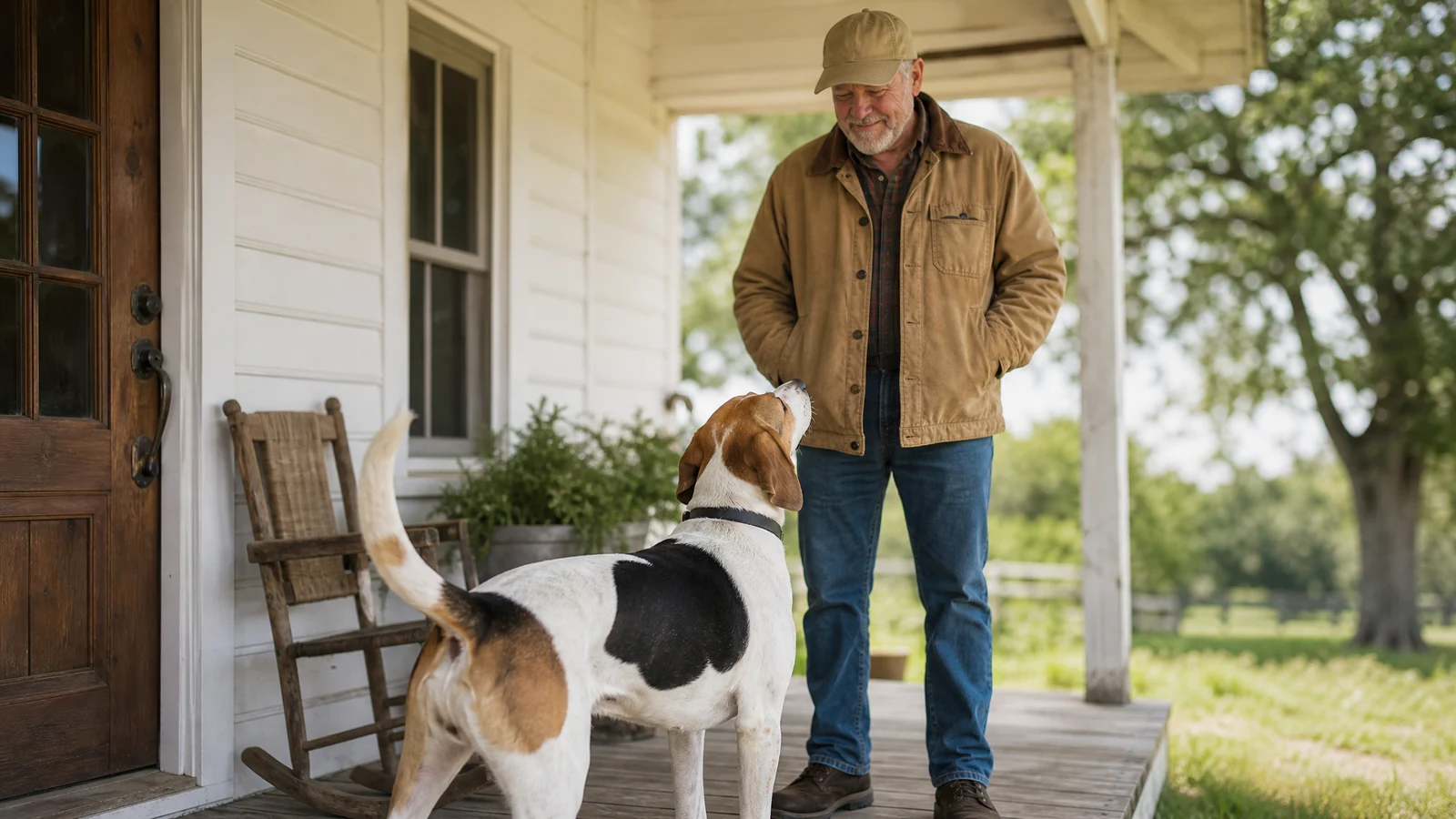 BehaviorWelcoming Guests With a Treeing Walker Coonhound Who Keeps Paws Down
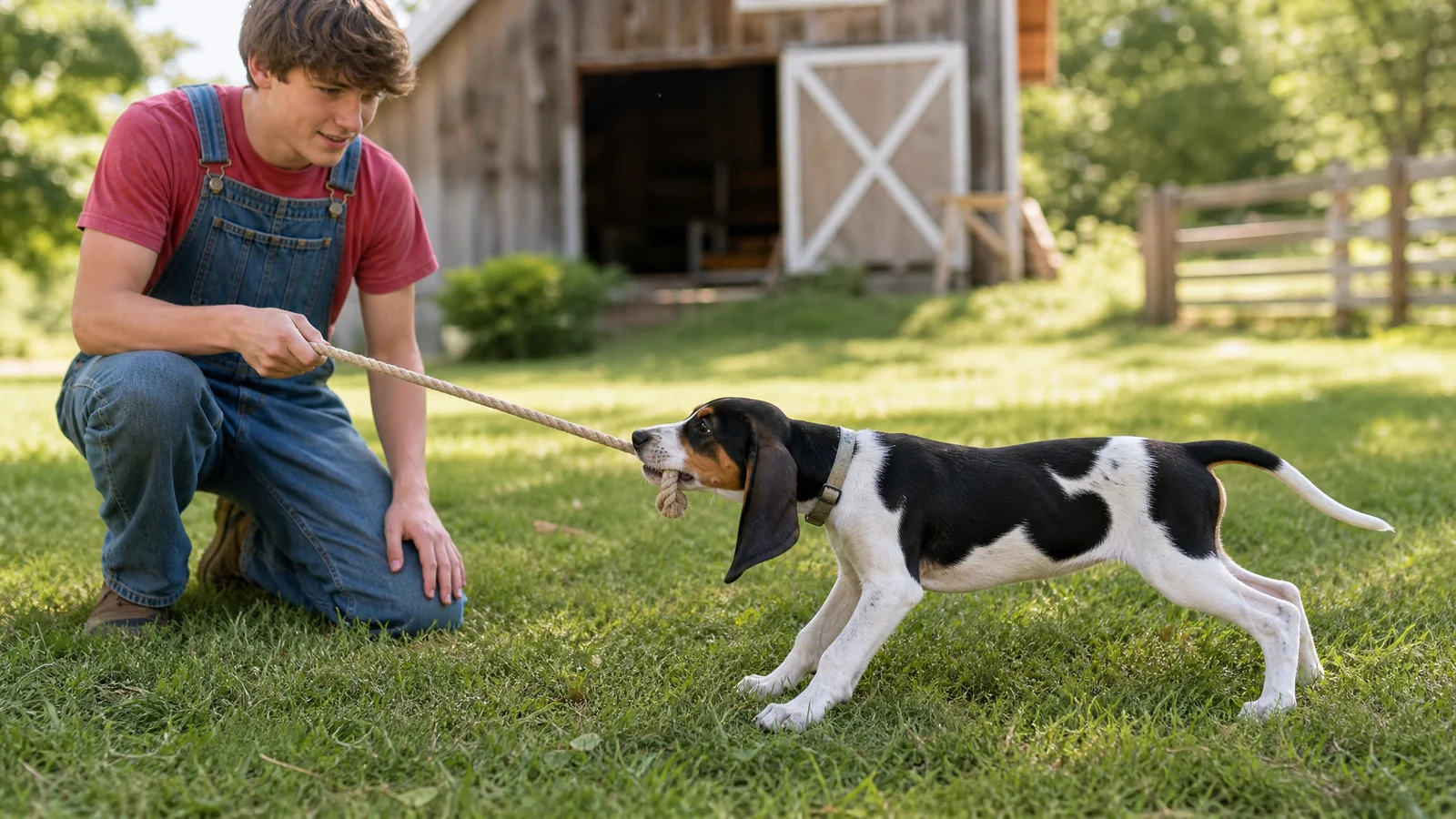 Puppy trainingTrade Games and Chews for a Mouthy Treeing Walker Coonhound Pup